What Is Actually Being Brewed
Pastry Stout and the Backlash That Turned Into a Style Guide Argument
Photo: ELEVATE / Pexels
When a beer category generates more debate than medals, that debate eventually ends up in a committee room.
The style that refused to be ignored
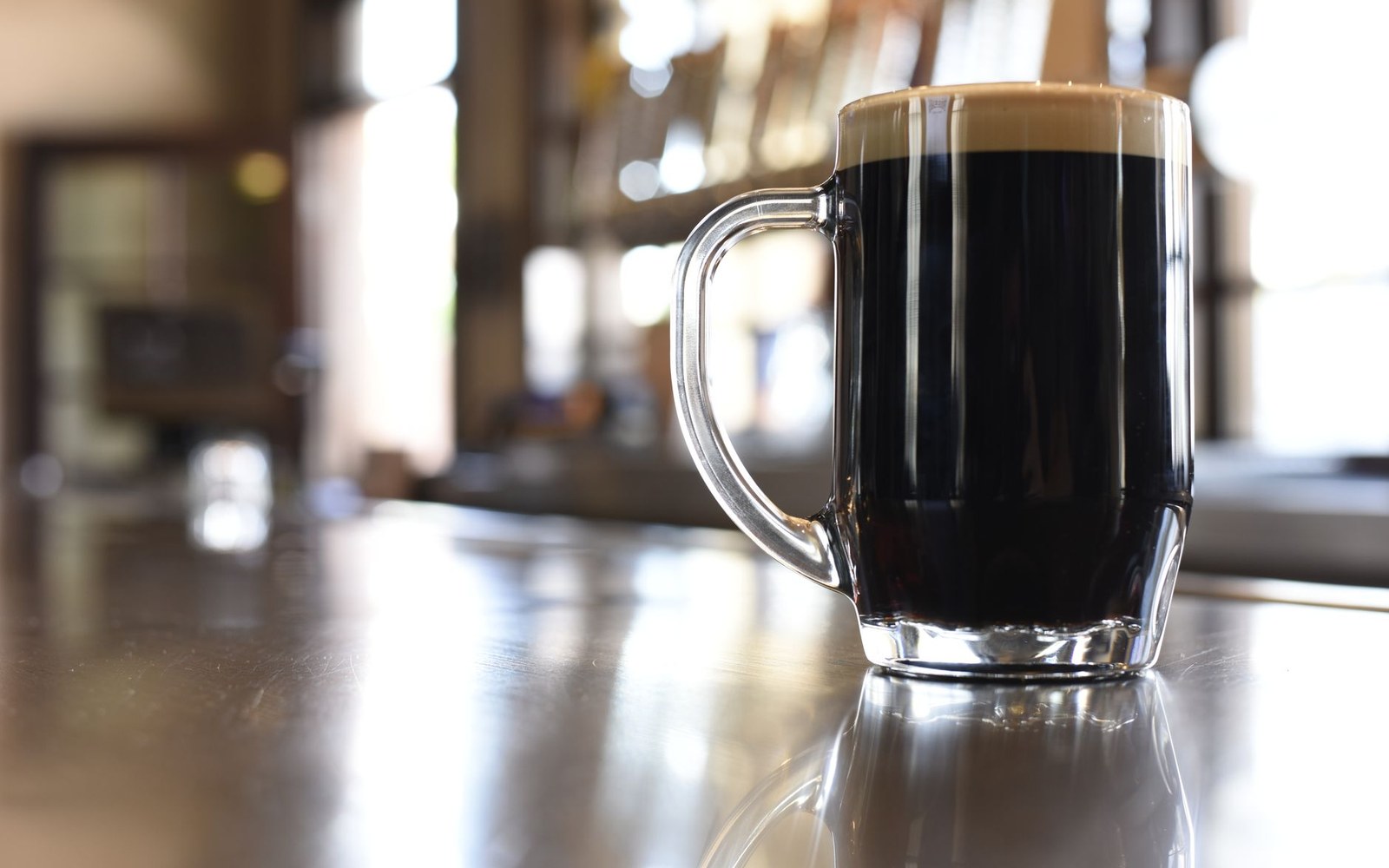
Pastry stout arrived at taprooms before it arrived in any guidebook. By the mid-2010s, American craft breweries were releasing imperial stouts laden with lactose, vanilla, coffee, cacao nibs and fruit purée — beers whose ABVs regularly exceeded 10 percent and whose flavour profiles owed as much to a dessert menu as to a malt bill. The category had no official name, no formal boundaries and, crucially, no medal slot at the Great American Beer Festival. It also had an increasingly loud detractor class.
The backlash came from two directions. Traditional stout brewers and style purists argued that adjunct-saturated imperial stouts were not a coherent style but a marketing genre — beers defined by their label copy rather than any technical parameter. The counterargument, made by the breweries producing them and the consumers buying them at significant premiums, was that shared process characteristics — heavy adjunct additions, post-fermentation flavouring, often intentional residual sweetness and attenuation dialled back to preserve body — actually did define a recognisable category. That tension is not just aesthetic; it has commercial stakes, because style legitimacy determines whether a beer can compete for a GABF medal, which remains one of the most visible trade signals in the US market.
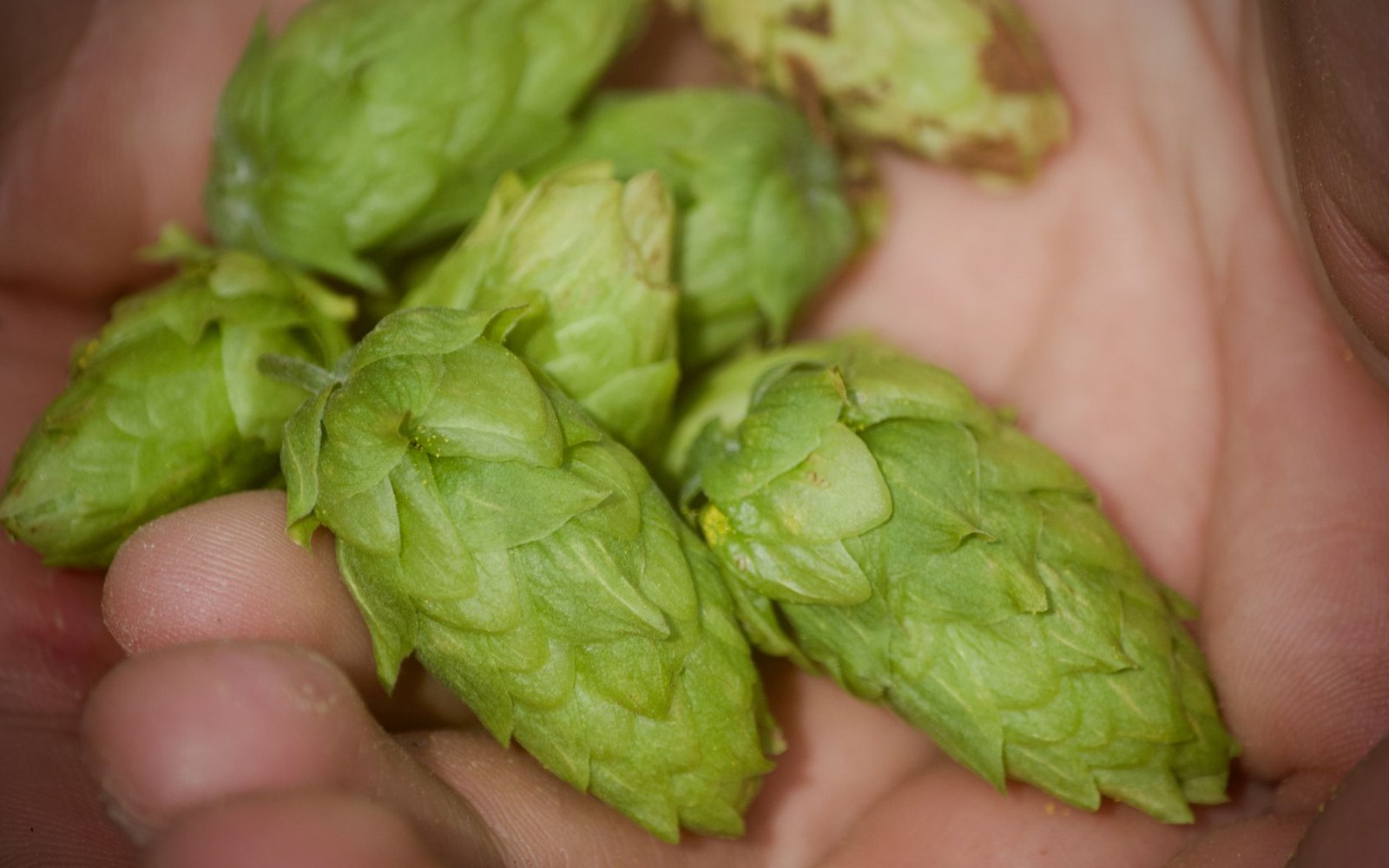
Hop contracts are signed years ahead, so a style rotation leaves growers and brewers holding varieties nobody ordered.
Photo: Ahmed Hamed Aly / PexelsWhat the guideline committee actually decided
The Brewers Association publishes and updates its Beer Style Guidelines annually, and the document functions as the de facto reference for GABF and World Beer Cup judging. The guidelines are not regulation — no law compels a brewer to follow them — but they control the competition architecture that much of the industry uses to signal quality.
For several successive guideline cycles, pastry stout remained outside the formal taxonomy. Beers with heavy adjunct additions were typically entered in existing categories — American-Style Imperial Stout or Specialty Stout — where they competed against beers with far more restrained adjunct use. Judges reported difficulty applying consistent criteria when one entry tasted of roasted malt and another tasted of a chocolate-covered cherry.
Chronology
- Mid-2010spastry stout reaches commercial scale at US craft taprooms; no formal style category exists
- Successive GABF cyclesadjunct-heavy stouts entered under American-Style Imperial Stout or Specialty Stout categories
- OngoingBrewers Association expands Specialty Beer classifications to accommodate high-adjunct beers; "pastry stout" remains an informal descriptor, not a named guideline entry
The Brewers Association's style guidelines eventually addressed this by expanding the scope of existing specialty categories rather than creating a free-standing "pastry stout" entry. The Specialty Beer classifications were broadened to accommodate beers using non-traditional fermentables and flavourings at levels that materially define the finished product's character. This was a procedural compromise: it gave adjunct-forward stouts a legitimate competitive home without conferring the formal style status that critics felt would reward category inflation. The term "pastry stout" does not appear in the Brewers Association's published guidelines — the document treats it as an informal descriptor rather than a defined style.
That distinction matters for the medal table. GABF results released each year show entries and medals by the official category name. A brewer winning in a Specialty Stout or experimental classification gains the same gold medal as any other category winner, but the style nomenclature in the published results reflects the guideline category, not the brewer's label language. Tracking how many pastry-forward entries land in specialty stout versus imperial stout categories across successive festivals would require cross-referencing entry data that the Brewers Association does not publish at that level of granularity — which is itself part of why the argument has been difficult to resolve empirically.
Taproom pours carry the margin that keeps distributed volume viable.
Photo: Viktorya Sergeeva 🫂 / PexelsLegitimacy, slowly
Style legitimacy in the American craft industry follows a recognisable pattern: a beer type reaches commercial scale, generates controversy, gets entered in ill-fitting competition categories, prompts guideline revision and then either earns a formal slot or gets absorbed into an existing one. Hazy IPA went through a version of the same process before the Brewers Association formally recognised it as a distinct style category. Pastry stout is still moving through that sequence, occupying a recognised but not formally named position in the guidelines.
The argument, in other words, is not finished. It just moved from social media into a committee document, which is probably the more durable address for it.