What Is Actually Being Brewed
The Canned Cocktail Did Not Exist as a Category and Then It Took the Shelf
Photo: Jude Ballado / Pexels
RTD spirits-based cocktails went from a rounding error to a shelf-reshaping force in under a decade — and beer producers either followed or lost facings.
How a Category Builds Critical Mass
In 2017, ready-to-drink canned cocktails barely registered in US off-premise scan data. By 2022, the Distilled Spirits Council of the United States reported that spirits-based RTDs were the fastest-growing segment in the American alcohol market for the third consecutive year, with volumes up double digits annually through that run. Circana off-premise data tracked the category crossing two billion dollars in retail sales during 2022 — a figure that would have been implausible at the category's starting point five years earlier.
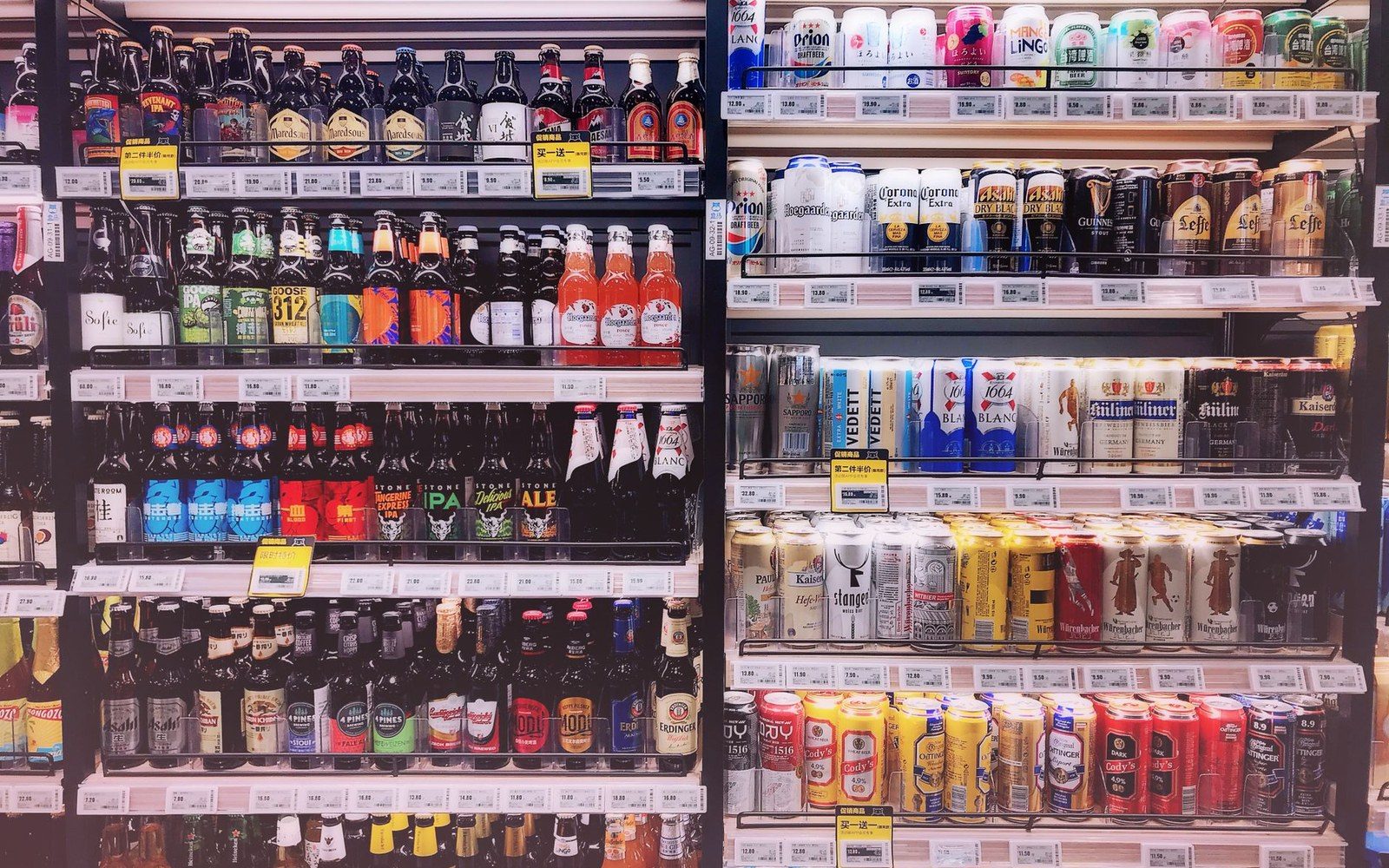
The mechanism was retailer shelf logic. Convenience and grocery buyers allocate linear feet by velocity, and when RTD cocktail turns-per-week exceeded those of flat-growth beer SKUs, beer facings contracted. This was not a gradual negotiation; category resets at major chains in 2021 and 2022 moved RTD cocktails from a single warm-aisle shelf to refrigerated doors previously reserved for beer. The cold-vault displacement was the structural tell — once a category earns refrigeration, velocity compounds.
The volume arc
What the Beer Side Did
The incumbent beer producers read the scanner data and responded in two directions. AB InBev extended its spirits partnerships and launched Cutwater Spirits canned cocktails nationally after acquiring the San Diego brand in 2019; by 2022 Cutwater had become one of the top RTD cocktail brands by off-premise volume. Molson Coors invested in the category through its Simply Spiked line while also distributing spirits-based products through its network. Boston Beer Company, having bet heavily on hard seltzer only to absorb write-downs as that cycle peaked, moved Twisted Tea — a malt-based RTD that predated the cocktail wave — back to the front of its portfolio mix as the closest analog it held.
The distinction between malt-based and spirits-based RTDs matters to the shelf count but is invisible to most consumers. Malt-based products fall under the same federal TTB licensing framework as beer and travel the three-tier system without the additional state-level complexity that distilled spirits carry in many markets. Spirits-based RTDs require a distilled spirits plant permit, which is why the big beer producers needed either acquisitions or supplier agreements to compete in the segment rather than simply reformulating existing products.
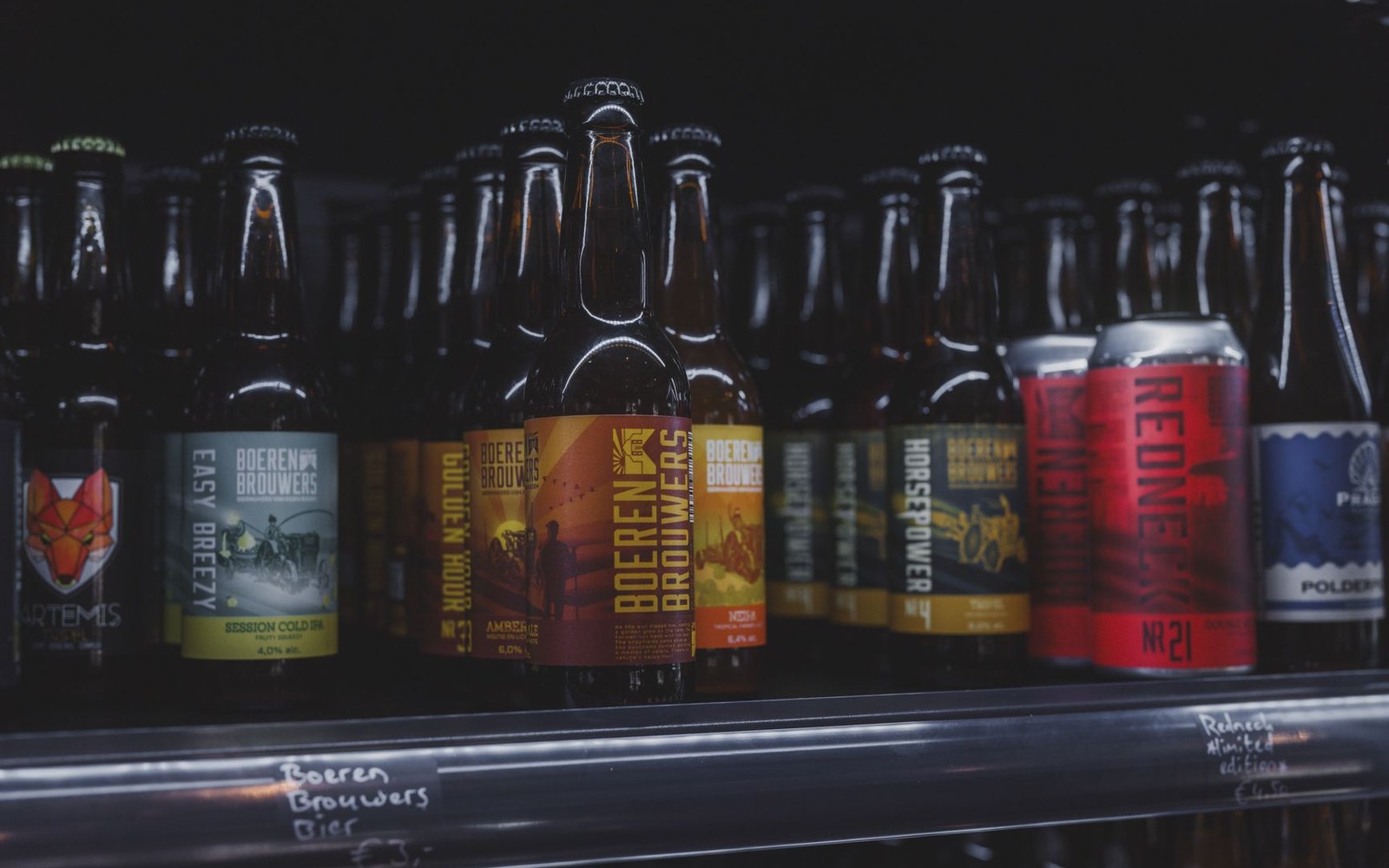
No- and low-alcohol has moved from the end cap into the main run — the one line still climbing.
Photo: Haberdoedas Photography / PexelsDISCUS figures for 2023 showed spirits-based RTD volumes still growing, though the growth rate had begun to moderate from the extraordinary pace of 2020–2022 — a pattern that tracked, with an uncomfortable resemblance, the trajectory hard seltzer had followed in the years immediately before.