What Is Actually Being Brewed
Constellation's Zero and the Olympic Sponsorship That Named a Category
Photo: Anete Lusina / Pexels
When a non-alcoholic beer buys the world's largest sporting event, the category has crossed a threshold.
The Deal That Moved the Needle
AB InBev's Corona brand — licensed in the United States to Constellation Brands — placed Corona Cero, its non-alcoholic variant, as the official beer partner of the Paris 2024 Olympic Games. For an industry accustomed to associating beer sponsorship with stadiums full of alcohol consumption, the signal was stark: the most expensive sports marketing real estate on the planet was fronted by a product with no alcohol in it.
The International Olympic Committee has maintained restrictions on alcohol advertising around its events for decades, which made an NA beer a structurally logical fit. But logic and market timing arrived together. Global no- and low-alcohol beer volume had been climbing steadily through the early 2020s, and the Paris deal was the first Olympic-level commitment that made the category visible to audiences who had never consciously sought it out.
For Constellation Brands, which holds the Corona, Modelo and Pacifico import licences for the US market under its 2013 agreement with AB InBev, Cero represented an extension of the Corona franchise into the one beer segment still showing consistent growth. The Brewers Association and Circana data tracking US off-premise sales through 2023 both pointed in the same direction: while overall beer volumes declined, NA beer continued to post volume and dollar gains from a small but expanding base.
The Olympic activation did something data alone cannot: it gave non-alcoholic beer a global stage at precisely the moment when Athletic Brewing — the top-twenty US brewer by volume built entirely on NA product — was demonstrating that the segment could sustain serious scale. Two different market signals, one macro and one brand-specific, reinforced each other during the same calendar window.
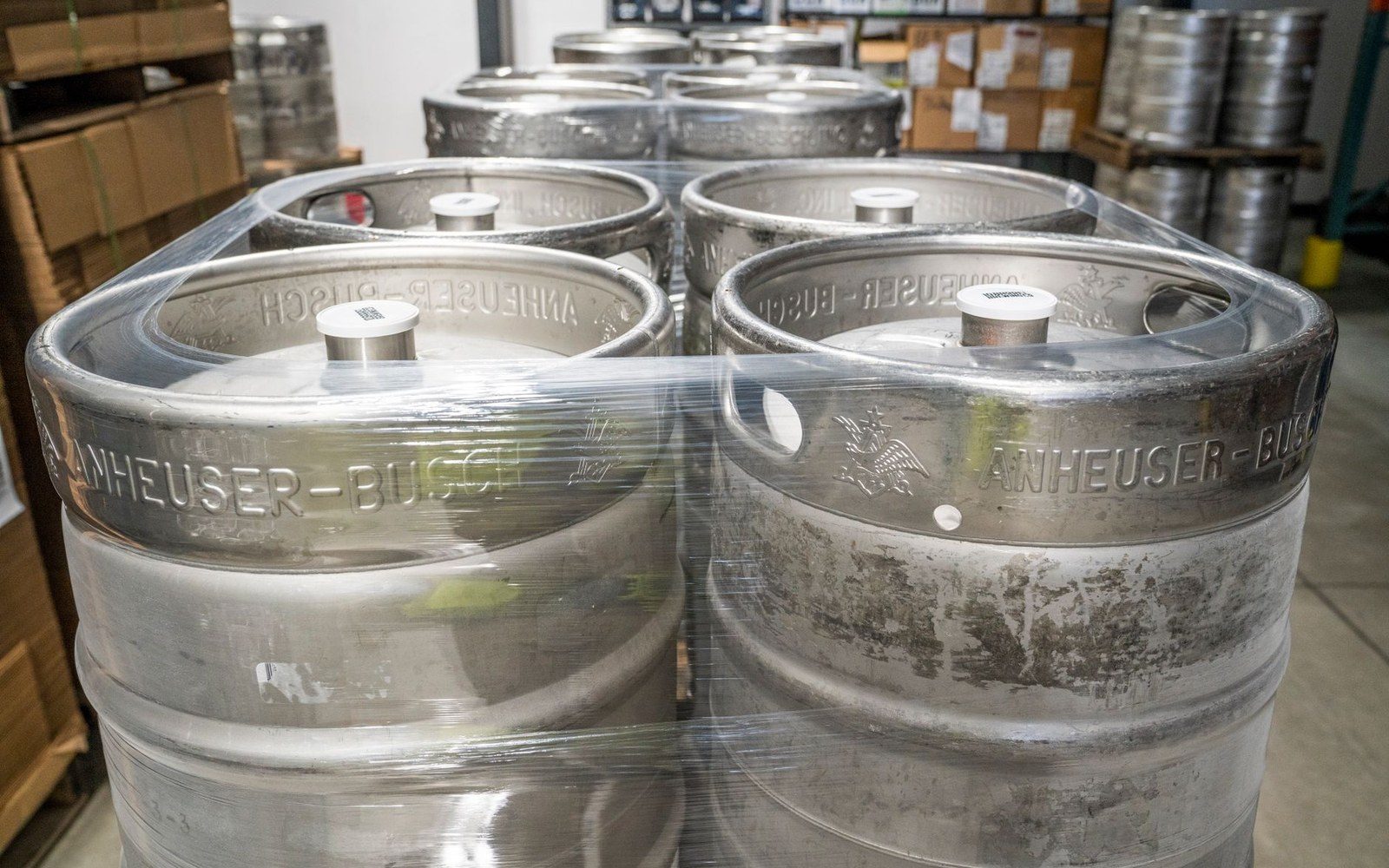
Kegs move without a distributor; cases do not. That difference is most of the argument for the taproom model.
Photo: ELEVATE / PexelsWhat the Paris sponsorship formalised was the end of NA beer's awkward positioning as a lesser product for drivers and abstainers. Placing it at the centre of the world's most watched sporting event was a category argument made in the most expensive language available: money and reach. Whether Cero converts casual Olympic viewers into repeat purchasers is a retention question; that the bet was placed at all is the structural fact worth recording.