What Is Actually Being Brewed
The One Line Still Climbing Has No Alcohol in It
Photo: Daniel Dan / Pexels
When almost every volume metric in US beer is declining, non-alcoholic beer is the exception that makes the trend legible
The Market That Grew While the Rest Contracted
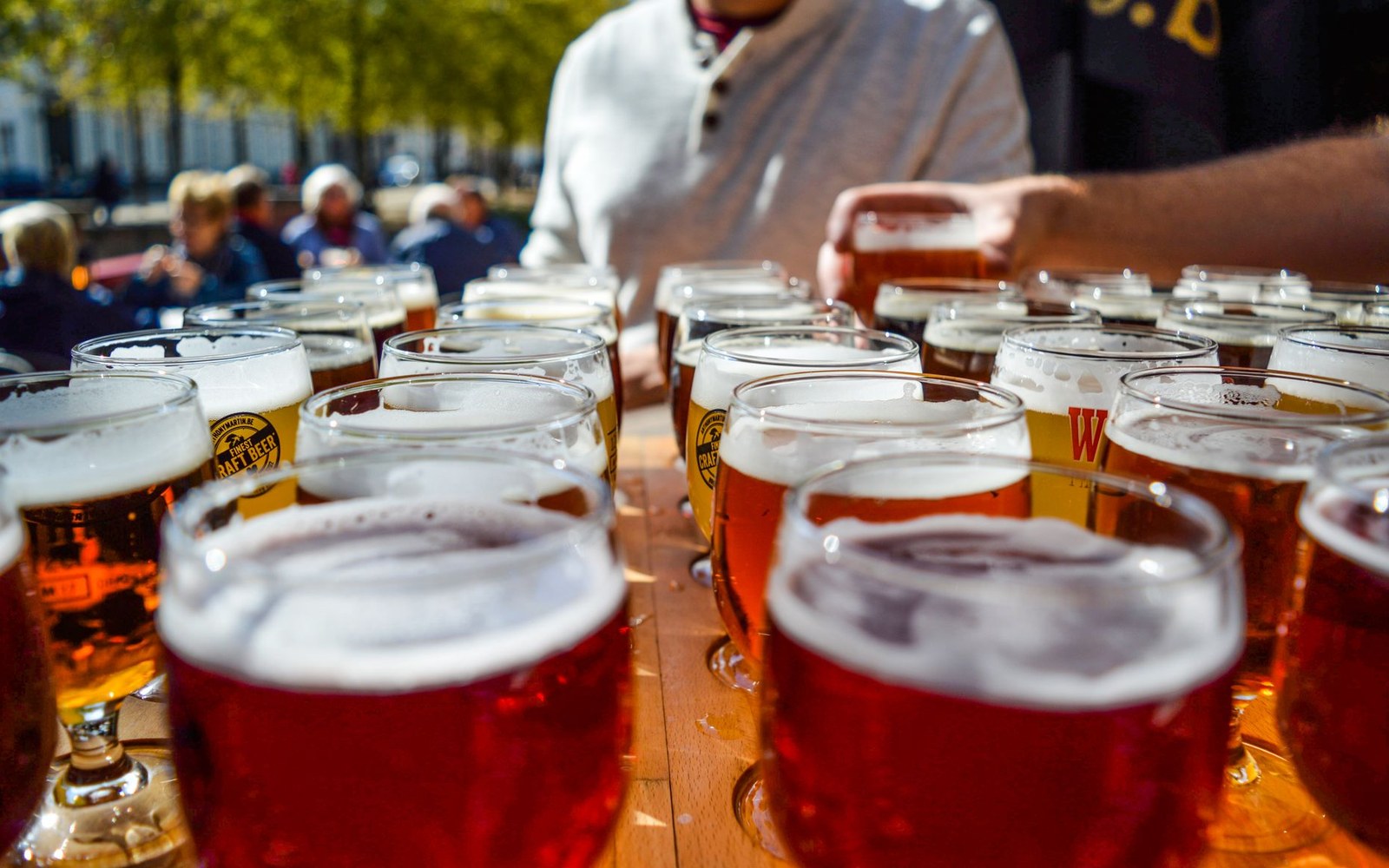
The Brewers Association reported in 2024 that total US beer volume fell for the third consecutive year, with craft's own shipment figures declining alongside the broader market. Against that backdrop, one segment posted consistent gains: non-alcoholic beer. Nielsen and Circana retail scanner data tracking off-premise sales have recorded double-digit dollar growth in the NA category in each year since 2020, even as standard beer's dollar growth stalled and its volume contracted. The category remains small — under two percent of total US beer volume by most estimates — but its directional consistency is now the most discussed single fact in trade conversations about where beer is heading.
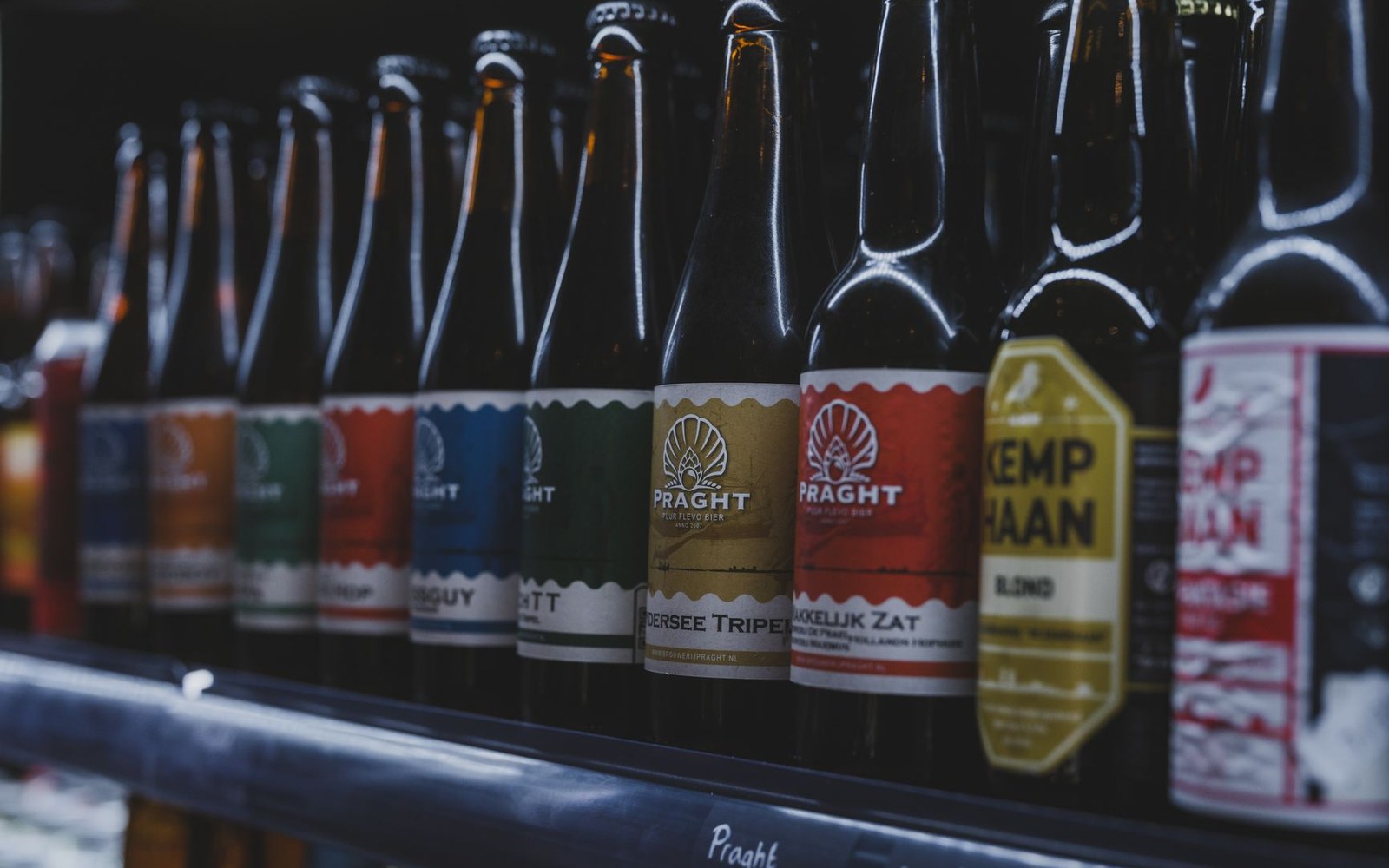
Shelf space is finite and re-set seasonally, which is why a category that stops growing loses facings quickly.
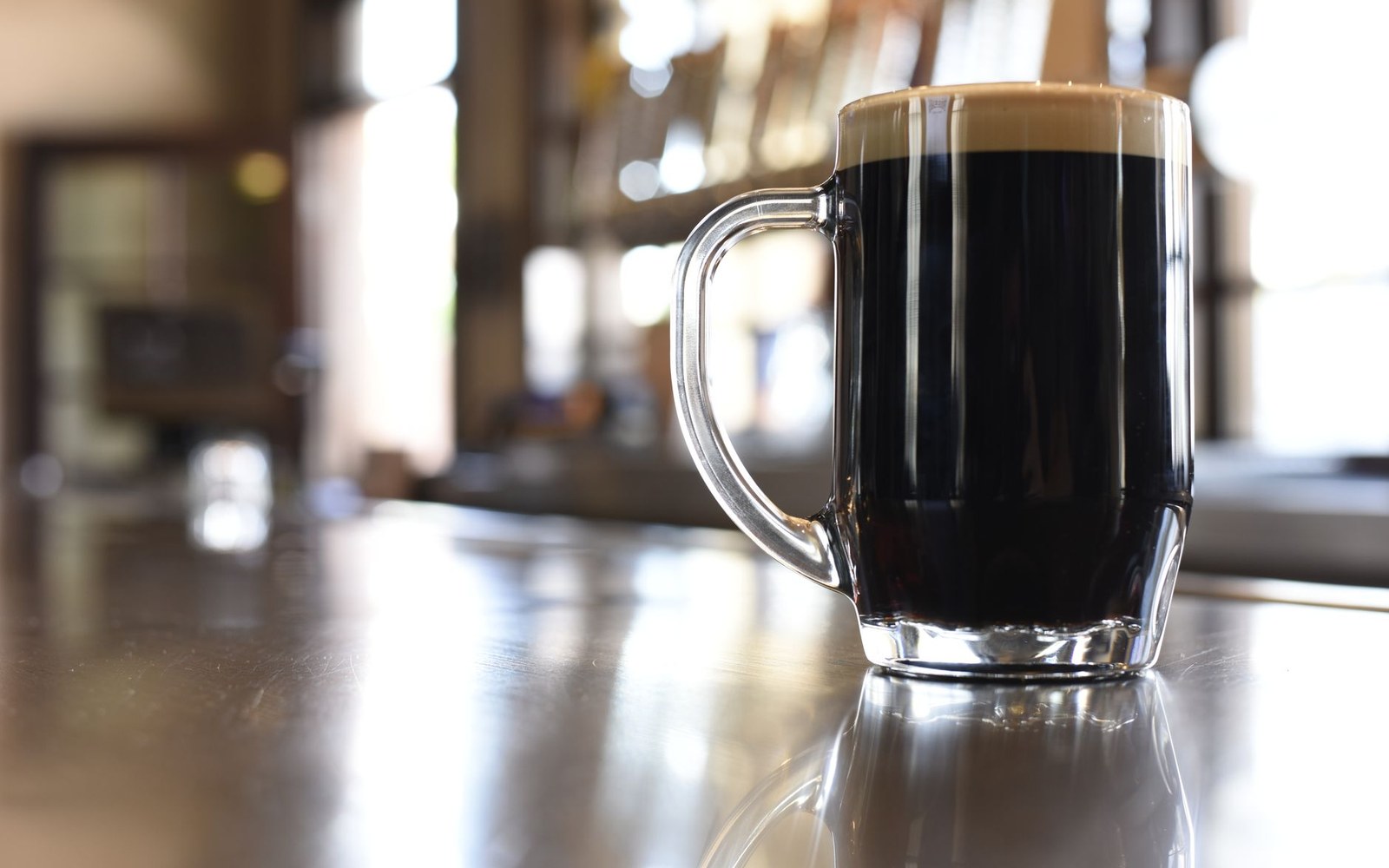
Photo: Haberdoedas Photography / PexelsThe clearest embodiment of this trajectory is Athletic Brewing Company, founded by Bill Shufelt and John Walker in Stratford, Connecticut in 2017 and producing exclusively non-alcoholic beer. By volume it reached the top-twenty US breweries list by the early 2020s, a ranking that would have seemed implausible when the company launched. Multinational producers noticed. AB InBev has invested heavily in its own NA portfolio, and Heineken's Heineken 0.0 is now one of the most-distributed non-alcoholic beers globally.
How the Liquid Gets Made
The growth would be commercially irrelevant if producers could not make NA beer that tasted close enough to the real thing to generate repeat purchase. For most of the category's history they could not, which is why the segment languished for decades. The technical advances that changed this fall into three main approaches, each with a different cost profile and sensory outcome.
Process comparison
Arrested fermentation — sometimes called limited fermentation — stops the yeast before it converts most of the available sugars. Brewers pitch yeast at very low temperatures, typically between 0°C and 5°C, or use a yeast strain with limited attenuation to keep residual alcohol below 0.5% ABV, the threshold the TTB uses to define non-intoxicating malt beverages in the United States. The method preserves some fermentation-derived aroma compounds but tends to leave a residual sweetness and a thinner mouthfeel relative to fully fermented beer.
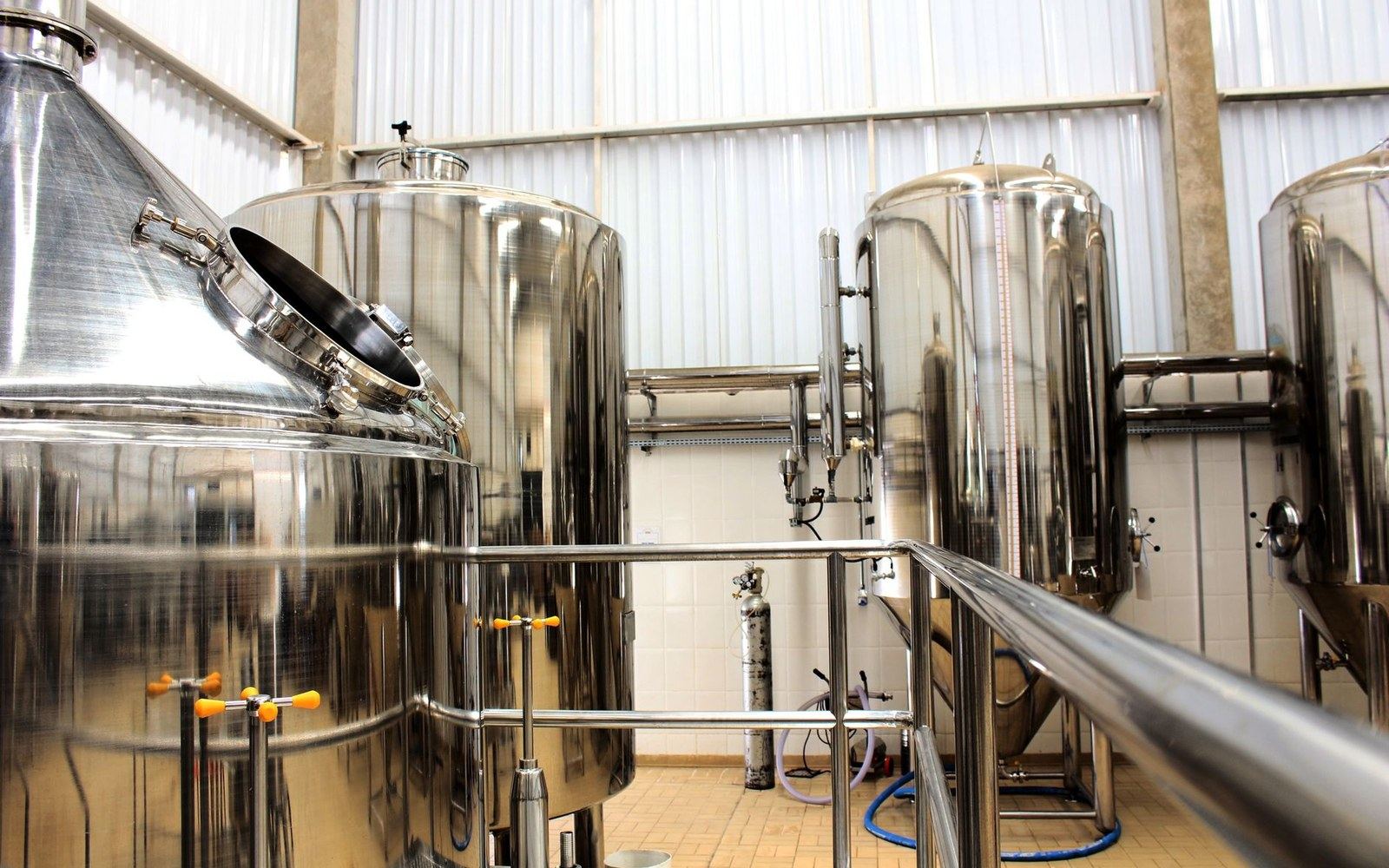
Vacuum distillation removes ethanol from finished beer under reduced pressure, which lowers the boiling point of alcohol to around 35–40°C — well below water's boiling point and, crucially, below the temperatures at which most volatile hop and malt aromatics degrade. The beer is brewed and fermented to full strength, then passed through a vacuum still where the ethanol fraction evaporates and is drawn off. Large-scale vacuum distillation equipment from manufacturers such as Alfa Laval operates continuously and can process hundreds of hectolitres per hour. The method is capital-intensive but produces the most beer-like result in blind assessments, because the starting material is fully fermented.
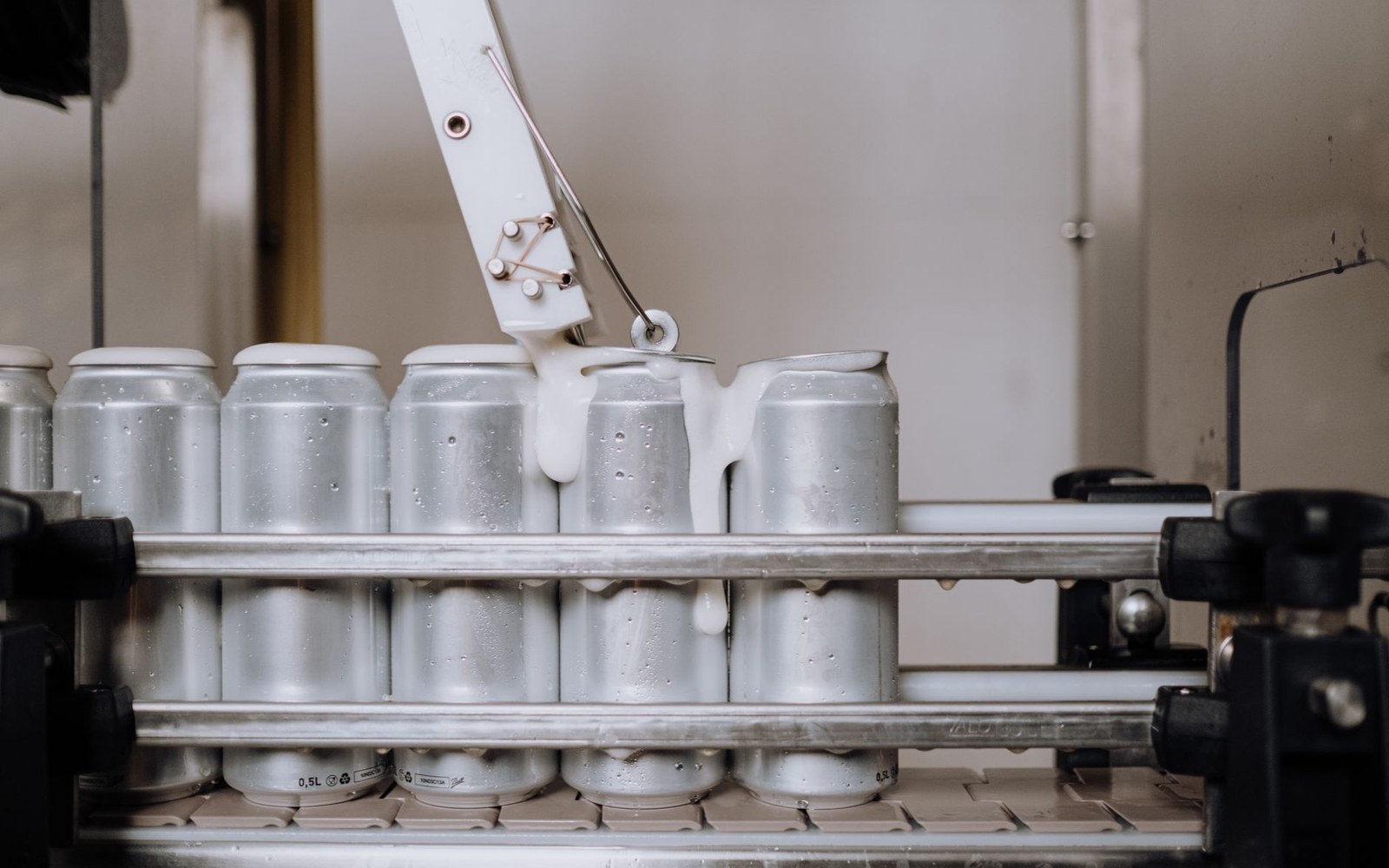
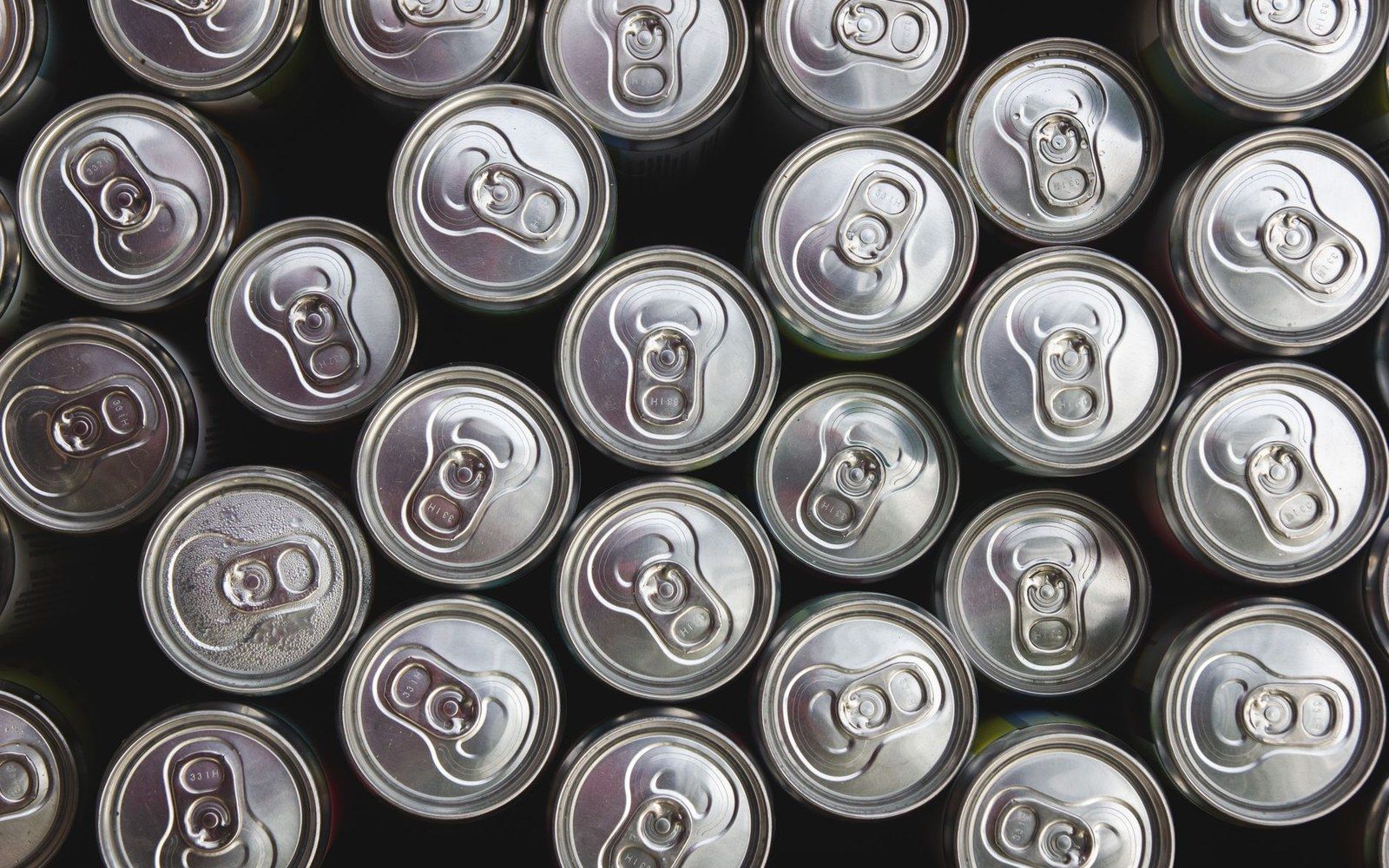
A canning line at speed: the format that let small breweries reach a shelf without a bottling hall.
Photo: cottonbro studio / PexelsReverse osmosis passes finished beer under high pressure through semi-permeable membranes that allow water and ethanol — the two smallest molecules in beer — to permeate through while retaining larger flavour and body compounds. The permeate, now an ethanol-water mix, is discarded or redistilled; the retained concentrate is then recombined with de-aerated water to reconstitute the beer at the desired strength. According to published food-engineering literature on membrane processes, membrane flux rates and operating pressures for beverage-grade reverse osmosis systems are well-characterised, though producers guard their specific process parameters closely. The method scales well and requires less capital than vacuum distillation, making it attractive for mid-size craft breweries adding an NA line without a dedicated dealcoholisation plant.
Athletic Brewing takes a different route entirely: it developed a proprietary fermentation process from the outset, built around a bespoke yeast regime and brewhouse design rather than retrofitted dealcoholisation. The company has not published the full technical specification, but patent filings describe a system that achieves sub-0.5% ABV without a post-fermentation removal step.
The commercial logic is straightforward. Dealcoholisation adds cost per barrel. A brewer choosing between the three methods is balancing capital expenditure, operating cost and sensory fidelity against a price-per-barrel that in the NA segment commands a meaningful premium over standard beer — one of the few places in the market where that arithmetic still runs in a brewer's favour.