What Is Actually Being Brewed
Three Versions of the Same Hop, and Why They Taste Different
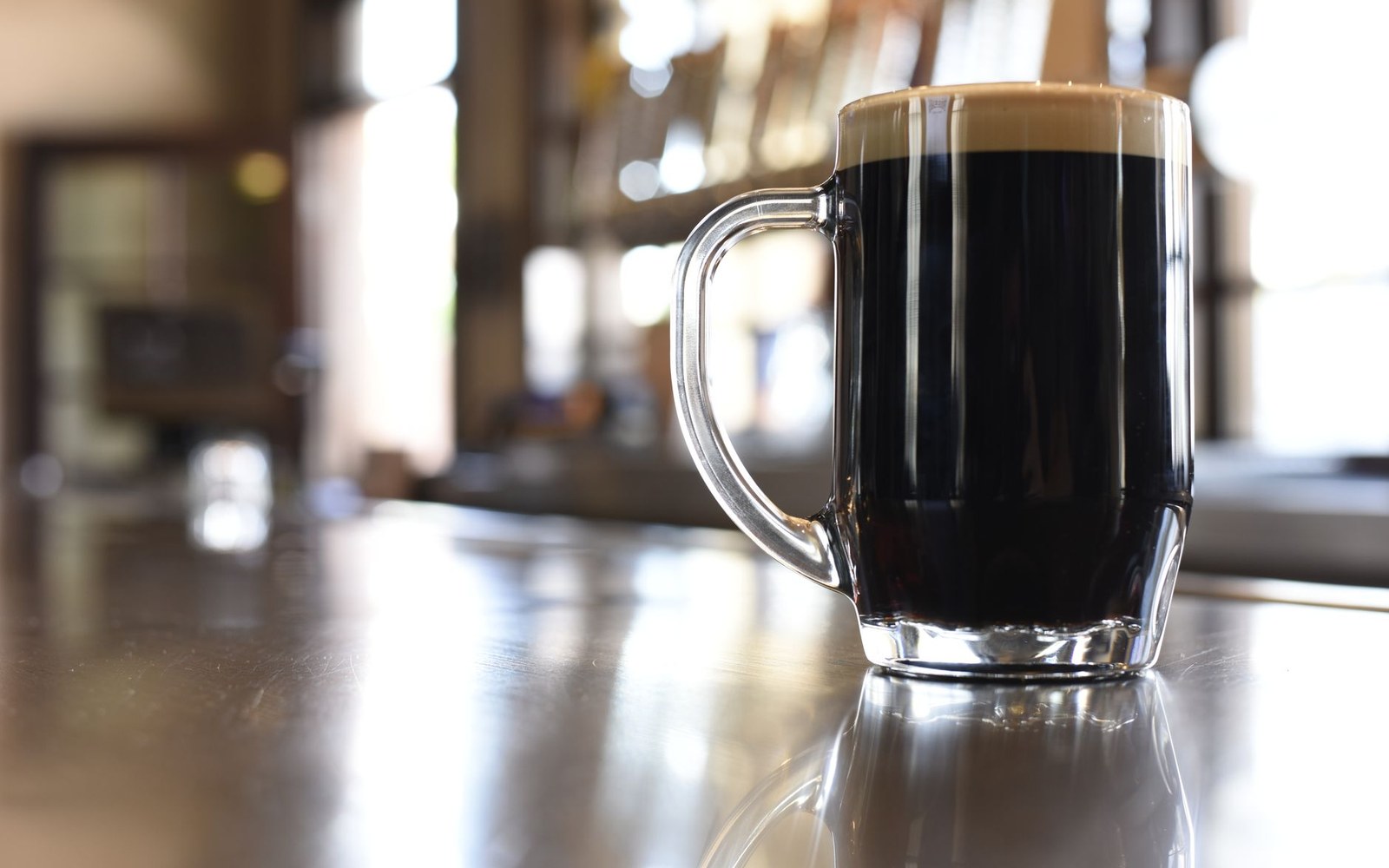
Photo: Gotta Be Worth It / Pexels
The same bittering acid, pulled three different directions
A brewer working with Citra, Mosaic or Simcoe has the same raw material in hand whether the finished beer is labelled West Coast IPA, hazy IPA or cold IPA. What separates the categories is not the hop itself but the point in the process at which it is added, the temperature at which the yeast works, and what the brewer allows to remain in suspension. Those choices — measurable in IBU, SRM and attenuation — are precisely the variables the Brewers Association style guidelines formalise each year.
West Coast IPA is the oldest of the three formal categories. The Brewers Association 2024 Beer Style Guidelines place it in the 50–70 IBU range, with SRM running 6–14 (gold to deep amber), and apparent attenuation typically high — the grain bill is pale, the body dry, the beer filtered bright. Bitterness in the West Coast version is delivered largely at the kettle: hops added early, boiled hard, iso-alpha acids formed and locked in. The result is that the IBU figure and the perceived bitterness broadly track each other, which is not true of the other two styles.
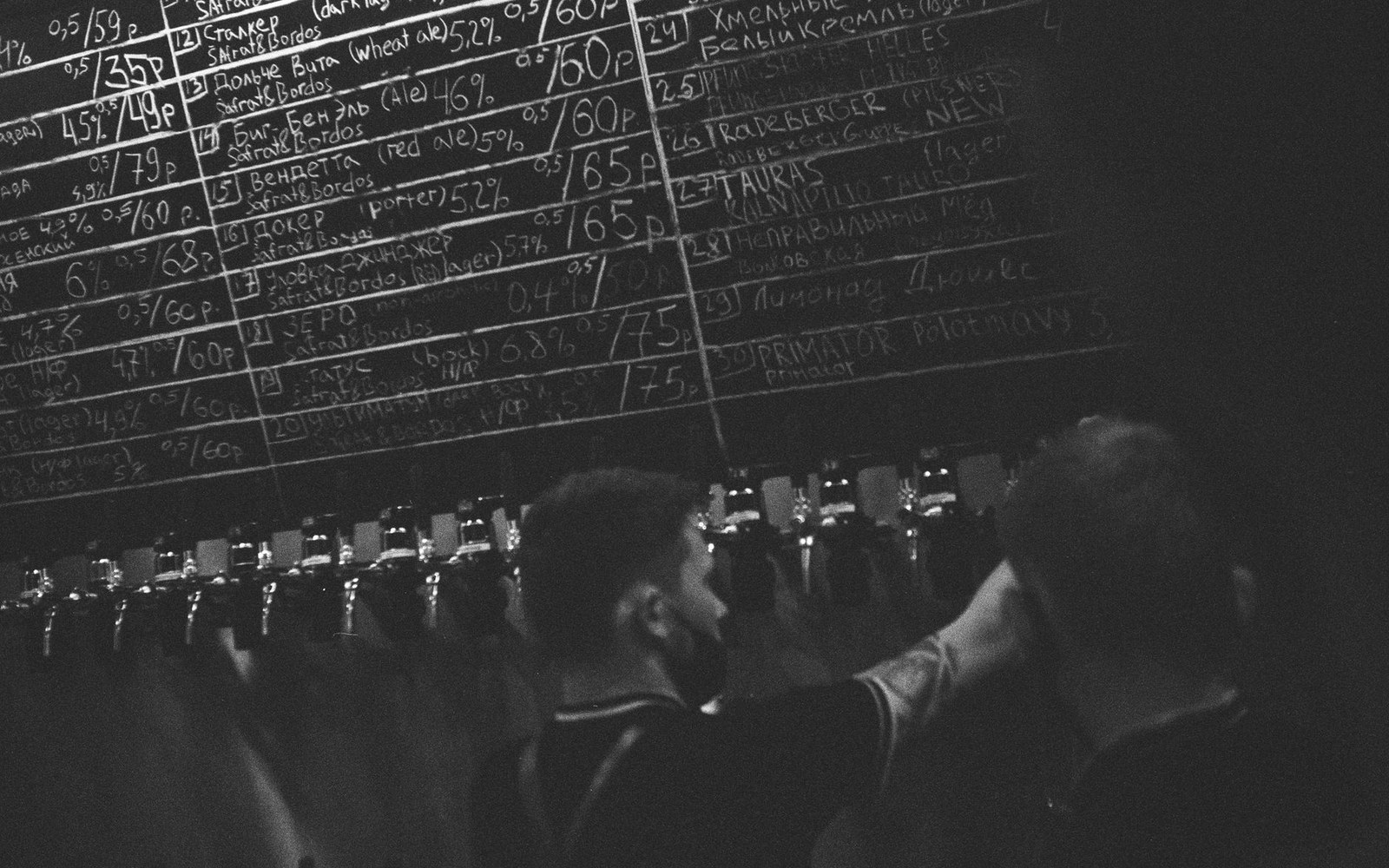
The board is the clearest read on style rotation there is — it changes months before the annual figures do.
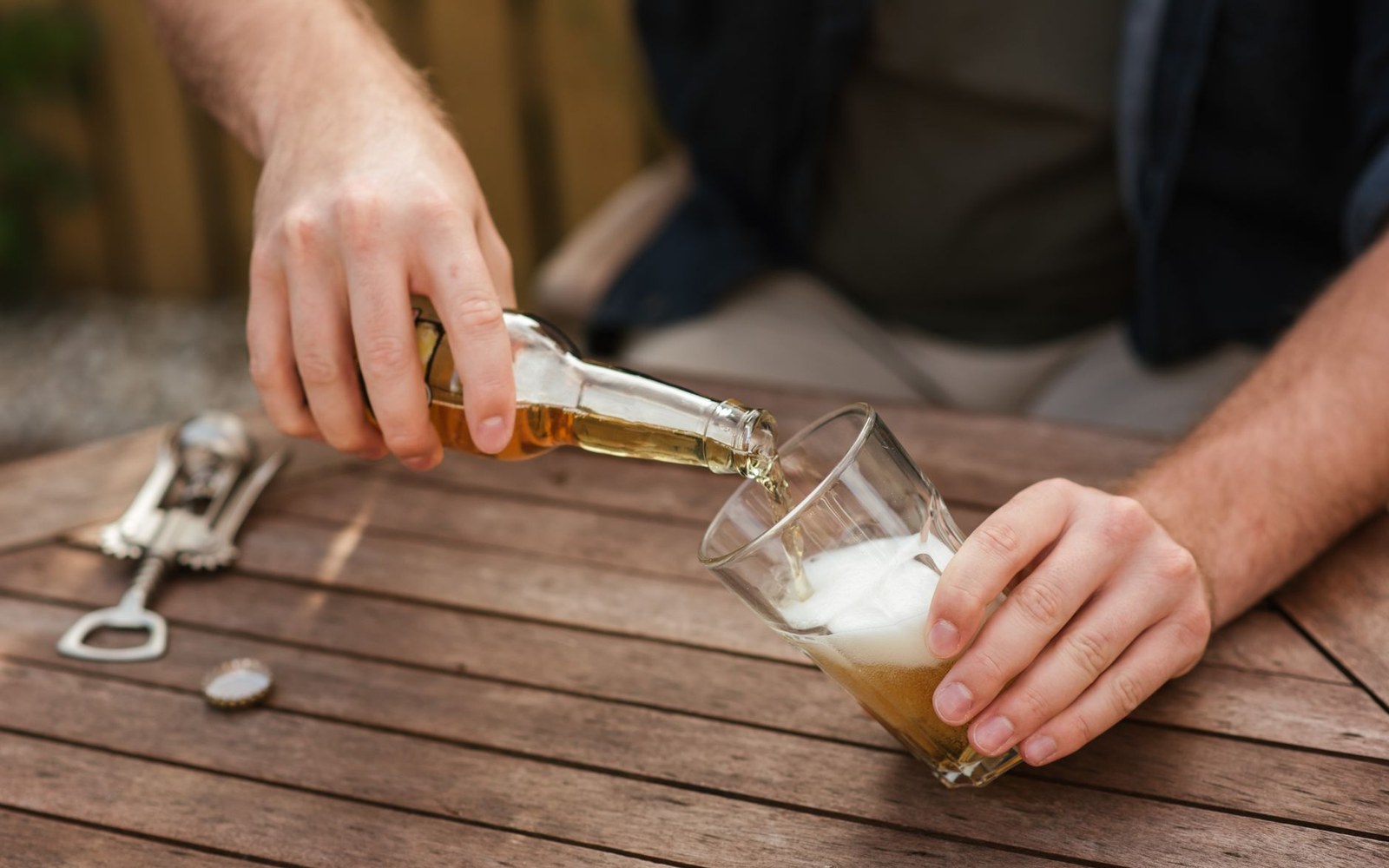
Photo: Viktorya Sergeeva 🫂 / PexelsHazy IPA inverts that logic. The Brewers Association guidelines list its bitterness at 20–60 IBU — a wide band that acknowledges how unreliable the IBU figure becomes when hops are added late. Dry-hopping and whirlpool additions after the boil introduce polyphenols and oils that bind to iso-alpha acids and suppress perceived bitterness even when the nominal measurement is high. SRM runs 3–7, paler than West Coast, and the beer is intentionally unfiltered: residual yeast and protein haze are not faults but structural features that carry aroma compounds. Attenuation tends to be lower, leaving a fuller, softer body. The style emerged from New England breweries in the mid-2010s and was formalised in the Brewers Association guidelines by 2018.
Cold IPA is the newest of the three and the most precisely engineered. First brewed by Wayfinder Beer in Portland, Oregon in 2018, the style was designed to combine the hop intensity of a West Coast IPA with the crispness of a lager. The grain bill uses adjuncts — rice or corn — to thin the body and accelerate attenuation; the beer is then fermented at lager temperatures (roughly 50–55 °F / 10–13 °C) using ale yeast, or occasionally lager strains. The Brewers Association added it to the formal guidelines in 2023, specifying 40–70 IBU, SRM 2–6 (notably paler than either alternative) and a high apparent attenuation that produces an unusually dry finish for a beer with significant hop load. The cold fermentation suppresses esters, making the hop character read cleaner and more precise than in a hazy IPA brewed at 68 °F.
Style parameter comparison
Where the categories formally blur is worth noting. The IBU ranges of hazy and cold IPA overlap between 40 and 60; a dry-hopped cold IPA can carry haze without qualifying as a New England-style beer; and a heavily dry-hopped West Coast IPA can test below 50 IBU while tasting more bitter than a hazy version at the same number. The Brewers Association guidelines resolve this not through IBU alone but through the constellation of variables: SRM, attenuation, filtration and the declared hop-addition schedule. At the Great American Beer Festival, judges use the same source documents, which means a beer entered in the wrong category — hazy but clear, West Coast but soft — fails on process evidence, not just palate.
The practical upshot for anyone reading style trend data: when the Brewers Association reports hazy IPA as the best-selling craft style by volume while West Coast IPA recovers share, those are not just flavour preferences. They are distinct production protocols with different raw-material costs, different tank-time requirements and different filtration capex — all of which flow back through the price-per-barrel arithmetic that explains why craft dollar share consistently outpaces volume share.