The Numbers and Who Counts Them
Thirteen Per Cent of the Volume, and a Larger Share of the Dollars
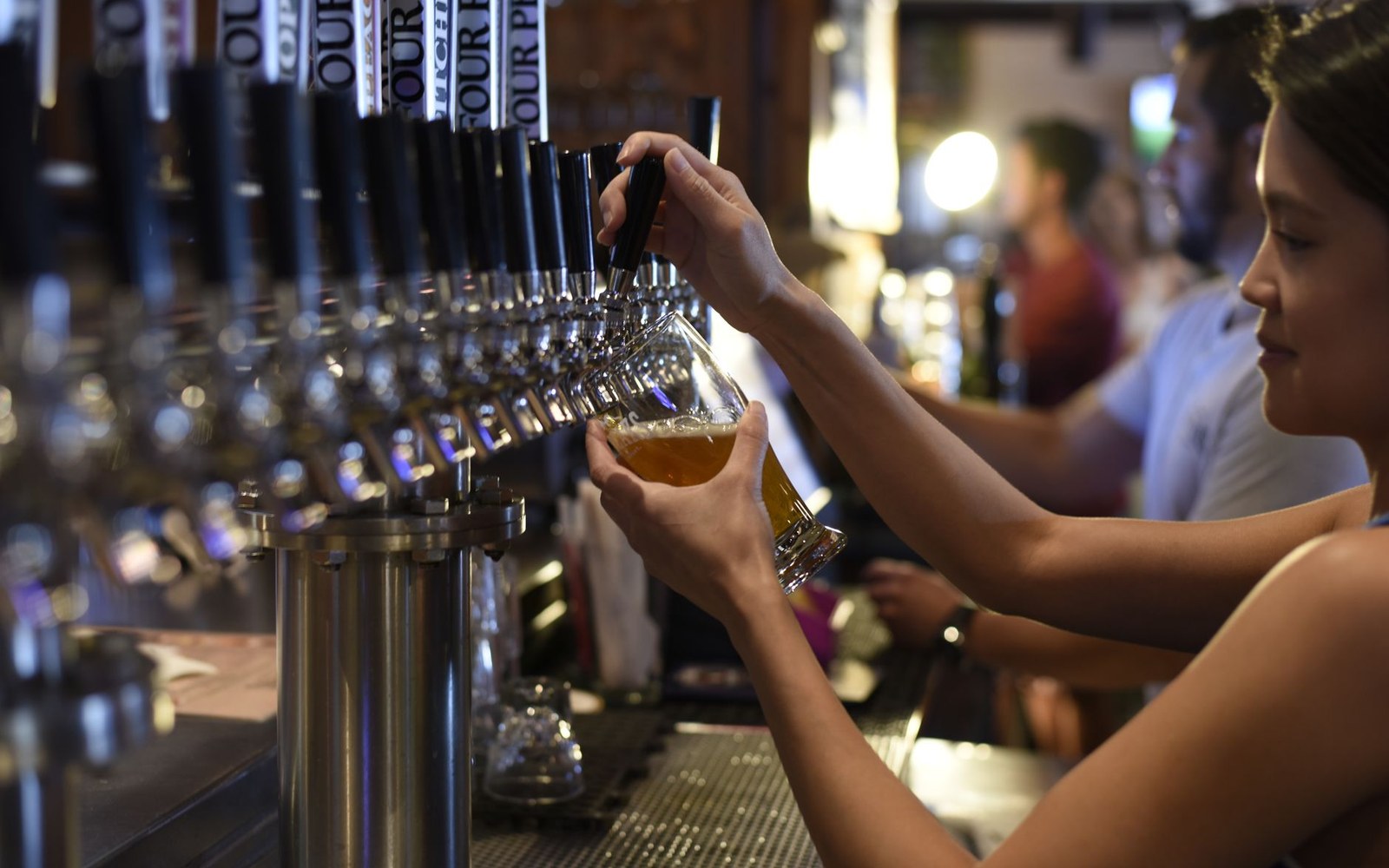
Photo: Craig Adderley / Pexels
Craft beer accounts for roughly one in eight barrels sold in the United States — and a meaningfully larger slice of what retailers collect at the register.
Why the Two Numbers Diverge
The Brewers Association reported that US craft brewers held approximately 13% of total beer volume in 2023, measured in barrels shipped. On the same basis, the dollar share ran closer to 24%. That gap — eleven percentage points — is not a rounding artefact. It reflects a structural difference in what craft beer charges per barrel compared with the mainstream lager segment.
Price-per-barrel is the metric that explains it. Craft breweries sell smaller volumes at higher retail prices: a four-pack of a hazy IPA from a regional producer routinely carries a shelf price that outpaces a similar quantity of Bud Light or Coors Light by a factor of two or more. When revenue is divided by barrels shipped, craft's ratio dwarfs that of the domestic premium and subpremium tiers. The Beer Institute's Brewer's Almanac, which aggregates shipment and taxable removal figures from Alcohol and Tobacco Tax and Trade Bureau excise-tax returns, allows that comparison to be made across the full market.
Key figures
The divergence also reflects where craft beer is sold. Taprooms and brewery-direct retail — legal in most states — capture the full consumer price without sharing margin through the three-tier distribution chain. A regional craft brewer selling across its own bar keeps dollars that would otherwise pass through a distributor and a retailer before reaching the producer's ledger. That channel mix inflates craft's effective revenue per barrel relative to what appears in federal shipment data alone.
None of this changes the underlying volume reality. At 13%, craft remains a minority of the barrels Americans consume, and the segment recorded its first net volume decline in the post-2008 growth era during the early 2020s. Brewery count stabilised after years of rapid expansion, and closures began to pace openings by 2023 and 2024. The dollar share, however, has stayed resilient — a signal that craft's consumer base has contracted less than its barrel totals might suggest, and that the buyers who remain are paying premium prices to keep doing so.