The Numbers and Who Counts Them
The Same Count, Run in Britain, Is a Count of Pubs
Photo: Ian / Pexels
The Brewers Association tracks American brewery openings and closures; CAMRA tracks British pub closures. The series measure different things for structural reasons that go all the way to the transaction layer.
Two Series, One Question
Every year the Brewers Association publishes its brewery count — openings, closures, net change — and the number functions as the industry's most-cited health indicator. In Britain, the Campaign for Real Ale runs its own annual tally, but the unit being counted is not breweries: it is pubs. In 2023 CAMRA estimated that the United Kingdom was losing pubs at a rate of roughly fifty a month. The two series sit beside each other on opposite sides of the Atlantic, both treated as authoritative, both cited in trade coverage, and yet they measure structurally different things because the commercial architectures they describe are structurally different.
In the United States, the three-tier system legally separates producers, distributors and retailers into distinct commercial entities. A brewery is its own tier. Its opening or closure registers as an industrial event: a licensed production facility appears or disappears. In Britain, the tied house system has for most of the industry's modern history bound the production and retail tiers together. A pub has historically been the brewery's route to the consumer, sometimes owned outright, sometimes locked by contract. When a pub closes, something upstream closes too.

Hop contracts are signed years ahead, so a style rotation leaves growers and brewers holding varieties nobody ordered.
Photo: Ahmed Hamed Aly / PexelsWhat CAMRA Actually Counts
CAMRA was founded in 1971 and counts around 150,000 members, making it one of the largest single-issue consumer groups in Europe. Its pub-closure data is compiled from a mix of member reporting, local authority licensing records and commercially available property datasets. The organisation does not claim perfect enumeration — the same caveats about structural lag that apply to TTB excise-tax returns in the United States apply here — but the series is long enough to show trend.
The headline figures are arresting in the long run. Britain had roughly 60,000 pubs in the early 2000s by CAMRA's estimates; that figure had fallen to approximately 46,000 by the early 2020s, a reduction of more than 20 percent over two decades. The closures were not evenly distributed: urban destination pubs and wet-led community locals showed the steepest losses, while food-led suburban venues held up better.
Chronology
- 1971CAMRA founded in the United Kingdom
- Early 2000sUK pub count estimated at roughly 60,000 by CAMRA
- Early 2020sUK pub count estimated at approximately 46,000; reduction of more than 20 percent
- 2023US operating brewery count reached more than 9,400 (Brewers Association)
- 2023CAMRA estimated UK pub closures running at roughly 50 per month
- 2024US brewery closures exceeded openings for the first time
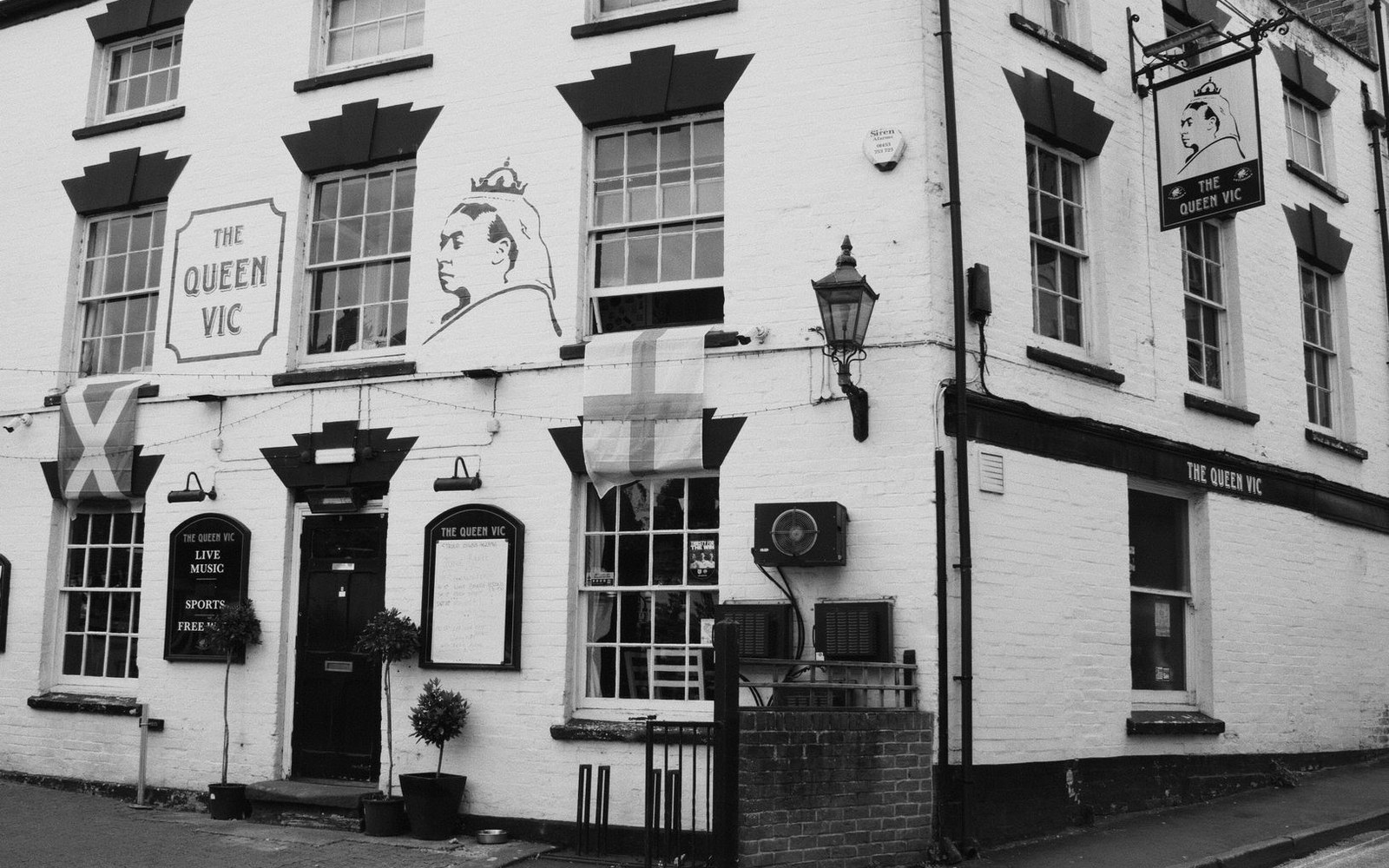
The drivers are partly economic — energy costs, business rates, changed drinking patterns, competition from off-trade retail — and partly structural. When a pubco (pub company) or a regional brewer decides a site is unviable and sells the freehold for residential conversion, that closure is irreversible in a way that a US brewery closure often is not. A craft brewery can reopen in a cheaper industrial unit. A Victorian corner pub, once converted to flats, rarely comes back.
Why the Numbers Behave Differently
The Brewers Association count, which reached a peak of more than 9,400 operating breweries in the United States by 2023, was built on relatively low barriers to entry: a TTB brewer's notice, a state licence and a leased warehouse. The churn rate has always been high, and a closure in year three does not necessarily signal sector distress the way it would for a capital-intensive freehold operation. This is why the Brewers Association count moved from net positive to net negative in 2024 without producing the kind of social alarm that British pub-closure figures routinely generate.

Taproom pours carry the margin that keeps distributed volume viable.
Photo: Viktorya Sergeeva 🫂 / PexelsThe pub, by contrast, is embedded in the community in ways that make its loss visible and politically legible. CAMRA understood this early and built its lobbying model around exactly that visibility. Its "Pub of the Year" designations and its Asset of Community Value campaign — which allows communities to register pubs with local authorities, triggering a right-to-bid window before sale — are instruments designed to slow the conversion pipeline, not just count it.
The two series, run in parallel, tell the same underlying story about consolidation and shifting consumption, but they tell it through different lenses. The US count measures production capacity; the British count measures retail infrastructure. Both are declining. The mechanism is different; the direction is the same.