The Numbers and Who Counts Them
AB InBev, Molson Coors, Heineken, Carlsberg and Asahi Own Most of What Is Left
Photo: Pixabay / Pexels
The acquisitions of the 2010s compressed global beer volume into five multinationals. Mapping who holds what — and what happened to the craft brands they absorbed.
Five Portfolios, Most of the Volume
By the mid-2020s, five corporations — AB InBev, Molson Coors, Heineken, Carlsberg and Asahi — account for the majority of global beer volume by any measure. In the United States, the Brewers Association uses ownership criteria to classify breweries: any producer more than 25 percent owned by a non-craft entity is excluded from its craft figures, which is why several brands that still carry their original names are counted in macro totals.
AB InBev is the largest. Its portfolio runs from Budweiser, Bud Light and Michelob Ultra through to Corona (outside Constellation Brands' US territory), Stella Artois, Beck's and Leffe. The 2016 merger with SABMiller — cleared by the US Department of Justice only after AB InBev divested the Miller brands to Molson Coors — reshaped the entire industry in a single transaction. On the craft side, AB InBev assembled what it called its High End division through acquisitions including Goose Island (2011), Blue Point (2014), Elysian (2015), Golden Road (2015) and Wicked Weed (2017), among others. Of those, Wicked Weed drew the sharpest reaction: its purchase prompted an immediate boycott among sour-beer enthusiasts, and several collaboration partners publicly cut ties.
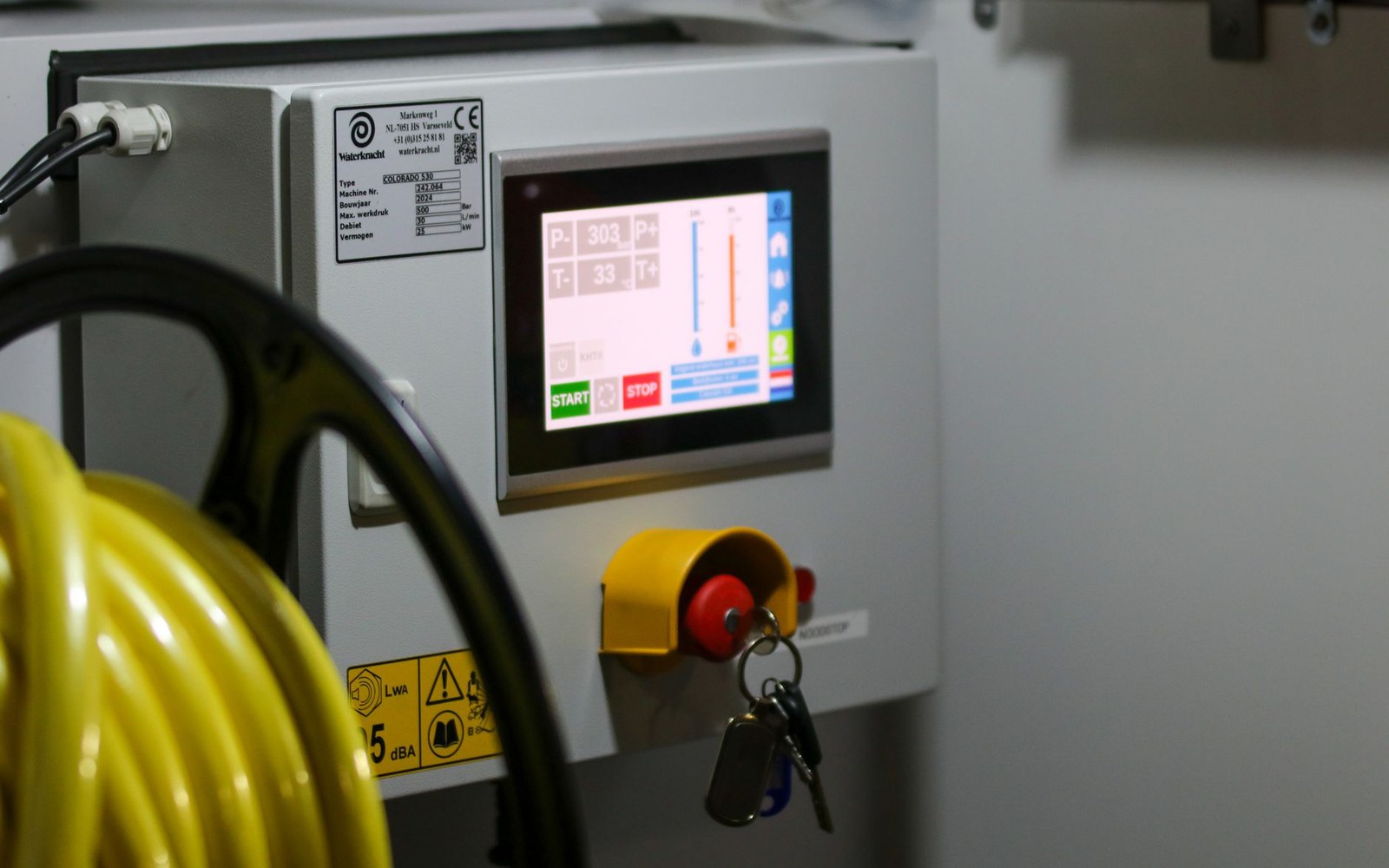
Batch monitoring is where the cost of a slower, colder fermentation shows up as tank time.
Photo: Freek Wolsink / PexelsMolson Coors, restructured under that name after the 2005 merger of Molson and Coors, holds Miller Lite, Coors Light, Blue Moon and Leinenkugel's in the US, along with Carling in the UK and a range of licensed European lagers. Its craft acquisition activity was narrower than AB InBev's: the 2016 purchase of Terrapin Beer in Georgia and a minority stake in Hop Valley (since fully acquired) represent the main moves. The company has been more aggressive in non-alcoholic and flavoured malt beverages than in craft beer per se.
Heineken, headquartered in Amsterdam, controls the Heineken brand globally alongside Amstel, Tiger, Dos Equis and Sol. In the US, it took a 50 percent stake in Lagunitas Brewing in 2015, then acquired the remainder in 2017. Lagunitas, founded in Petaluma, California, in 1993, continued operating under its own name and kept its Petaluma and Chicago facilities running. Heineken's approach has generally been to maintain brand independence while integrating distribution and procurement.
Ownership snapshot
Carlsberg, based in Copenhagen, is dominant in Europe and Asia but has a comparatively thin US footprint, relying on licensed production and import arrangements rather than direct ownership of American craft brands. Its global portfolio includes Carlsberg, Kronenbourg 1664, Tuborg and Baltika, the latter acquired in 2008 as part of its eastern European expansion.
Asahi, the Tokyo-headquartered group, built its international position almost entirely through acquisitions from AB InBev during the SABMiller divestiture process. Between 2016 and 2020, Asahi acquired Peroni, Grolsch and Meantime from AB InBev, then added Pilsner Urquell, Kozel and Tyskie as part of the Central and Eastern European brand package that regulators required AB InBev to sell. Asahi's US presence grew separately: its 2022 acquisition of Stone Brewing for a reported $168 million gave it a significant craft foothold in San Diego, though Stone's subsequent financial difficulties and workforce reductions tested the rationale of that deal.
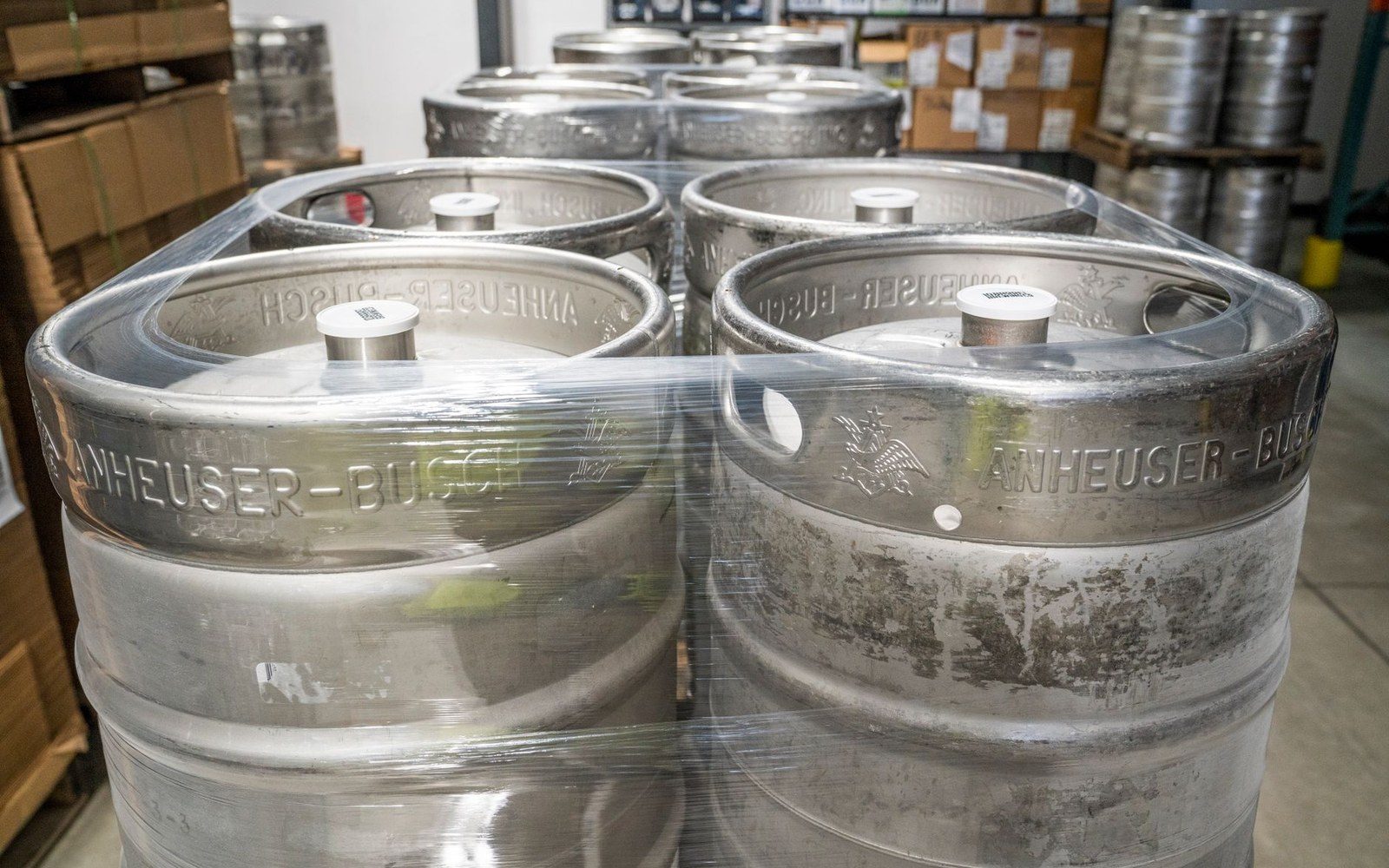
Cold storage is a fixed cost that does not fall when volume does.
Photo: ELEVATE / PexelsWhat Happened to the Craft Names
Survival rates for acquired craft brands have been uneven. Goose Island remains in production and distribution, though its identity as a Chicago independent is long gone. Elysian and Golden Road continue as functioning breweries. Other acquisitions fared worse: AB InBev shuttered 10 Barrel's Boise production facility, and the High End portfolio was quietly trimmed as the craft segment softened after 2016. Blue Point's Long Island brewpub closed. Breckenridge Brewery, acquired by AB InBev in 2015, continued but saw distribution rerouted through AB InBev's wholesale network — a structural shift that, under the three-tier system, significantly changes a brand's economics and retail placement.
The pattern across all five multinationals is roughly consistent: brands acquired at peak craft valuations were maintained while volumes held, then rationalised when they did not. The Brewers Association counted more than 9,700 operating craft breweries in the United States as of its 2023 figures — but volume concentration at the top of the market tells a different story than brewery count alone.