The Numbers and Who Counts Them
The Year the Arrows Swapped Places
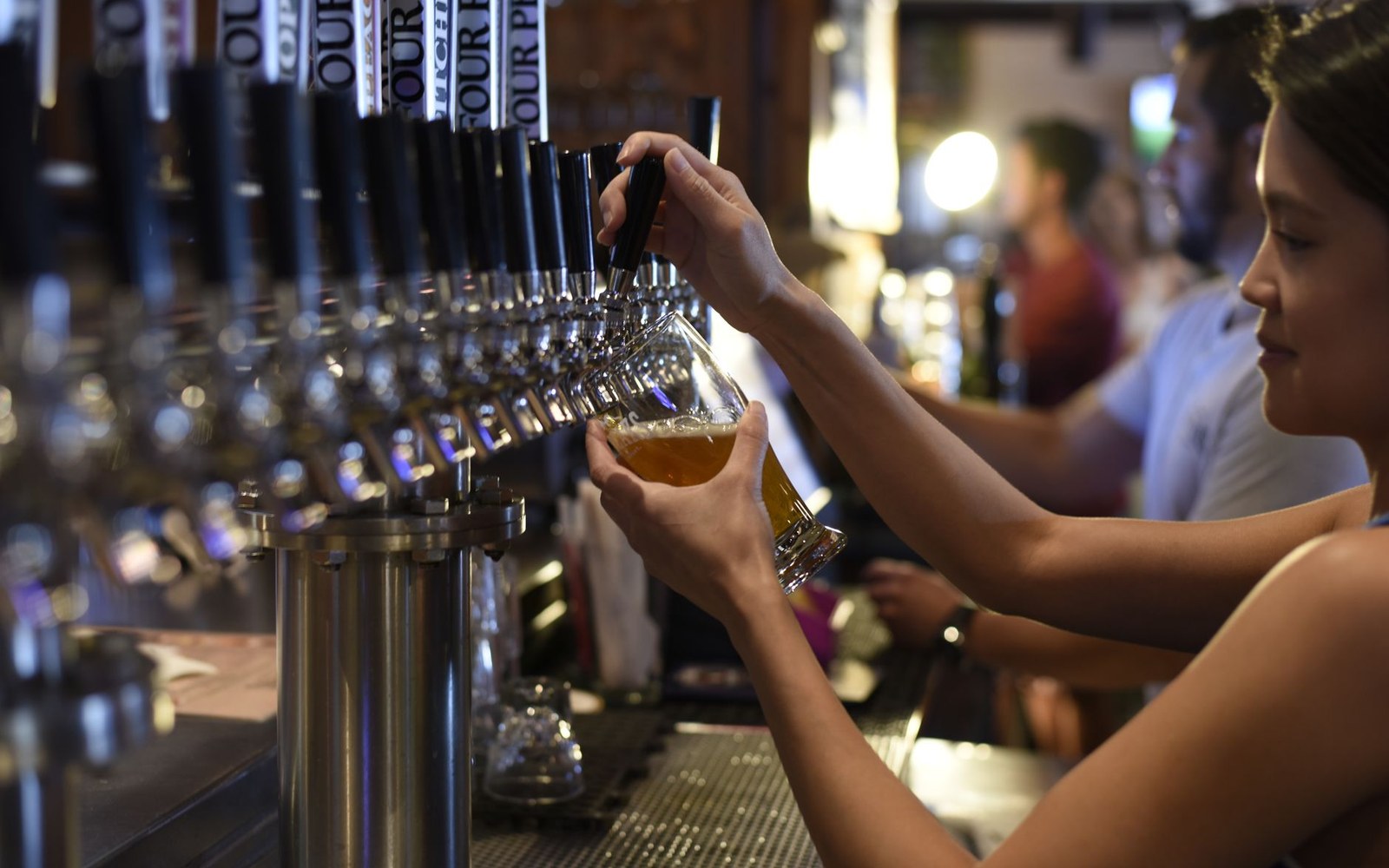
Photo: Donovan Kelly / Pexels
In 2024, US brewery closures exceeded openings for the first time in the modern craft era — the Brewers Association's annual count recorded a crossover that two decades of data had never shown before.
Twenty Years of One Direction
The numbers had pointed one way for so long that the direction felt structural. From the mid-2000s onward, the Brewers Association tracked a US craft brewery count that rose every year without interruption: more openings than closures, net gain on net gain, the total climbing from roughly 1,500 operating breweries at the start of 2007 to a peak of more than 9,500 by the early 2020s. The line was one of the more reliable trendlines in American consumer goods.
ely modest closure figure. By 2022 and 2023, the gap between openings and closures had compressed sharply. The net addition to the national count, which once ran to several hundred establishments per year, was shrinking toward two digits. What happened in 2024 was that the compression completed: closures, for the first time in the modern era, ran ahead of openings.
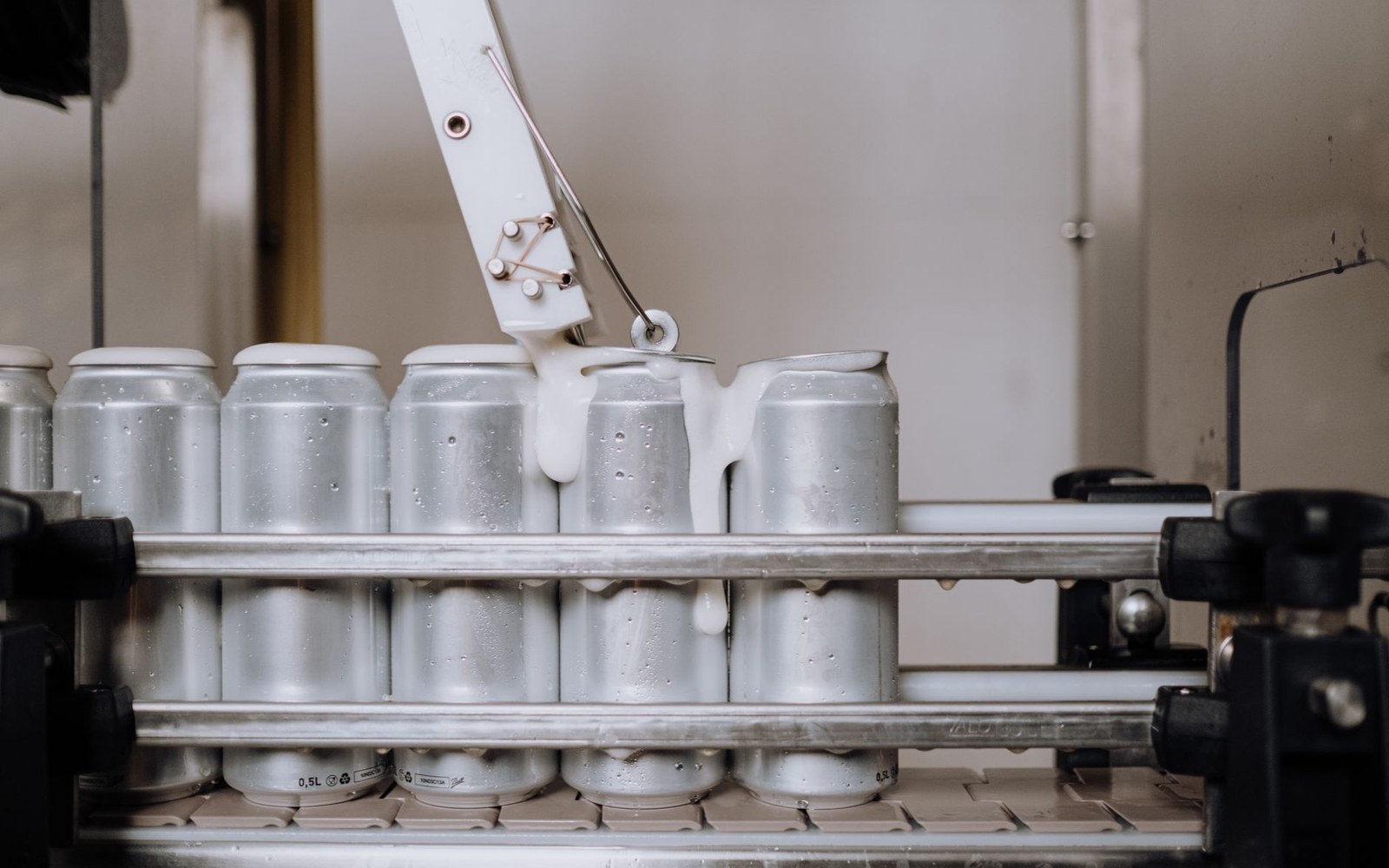
Packaging is the line item that moves first when aluminium contracts are renegotiated, and the seamer is where a short run gets expensive.
Photo: cottonbro studio / PexelsThe Brewers Association's preliminary 2024 figures, released in early 2025, put total closures above total openings for the year. The precise margin was tight — this was not a collapse, it was a crossover — but the direction was unambiguous. The US craft brewery count fell on a net basis for the first time since the current counting methodology was established.
What the Shape of the Series Shows
The shape matters as much as the number. A single bad year can be noise; what the 2024 figure completed was a trend that had been building across most of a decade. To read it correctly requires tracking the series in both directions.
Chronology
- Mid-2000s to early 2020sUS brewery count rises continuously, roughly 1,500 to 9,500+ operating establishments
- 2012–2017peak new-entrant cohort; many of these operators reach inflection in the early 2020s
- 2017–2019peak opening years, Brewers Association records 800–1,000+ new activations per year
- 2018closure figures begin climbing meaningfully alongside high opening volumes
- 2022–2023net annual additions compress to near zero
- Early 2025Brewers Association releases preliminary 2024 data confirming closures exceed openings for first time
On the openings side, the peak was somewhere around 2017–2019, when the Brewers Association was recording roughly 800 to more than 1,000 new brewery activations per year. Those figures then fell — not catastrophically, but consistently. Each subsequent year brought fewer debuts than the one before. The reasons accumulate in the data: construction and equipment costs rose sharply after 2021 as supply-chain pressures hit the hospitality sector; commercial rents in the urban and near-suburban locations favoured by taproom-format breweries climbed with them; and the pool of plausible first-time brewery owners willing to absorb those entry costs narrowed.
On the closure side, the trajectory ran in the opposite direction and accelerated. The class of breweries that opened between 2012 and 2017 — when conditions were most permissive and the category's growth made new entrants look rational — began reaching the point in a small business's life cycle where underlying economics, rather than enthusiasm, determine survival. Leases came up for renewal at higher rates. Distributor relationships that had looked manageable at 500 barrels per year looked different at 400. The taproom traffic that had subsidised thin wholesale margins in the years of novelty was eroded by the simple fact that most US metropolitan areas now had multiple brewery taprooms competing for the same weekend visit.
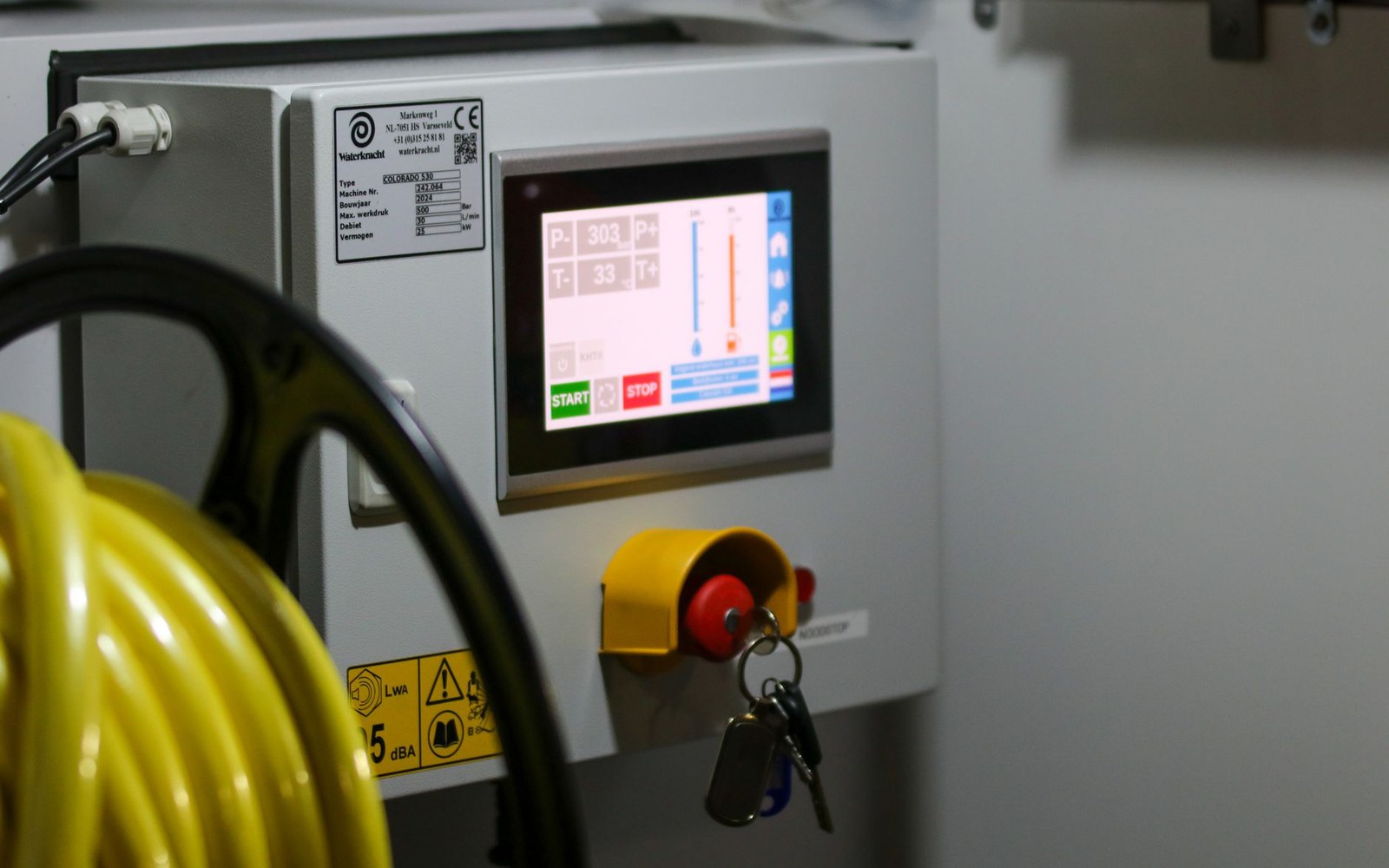
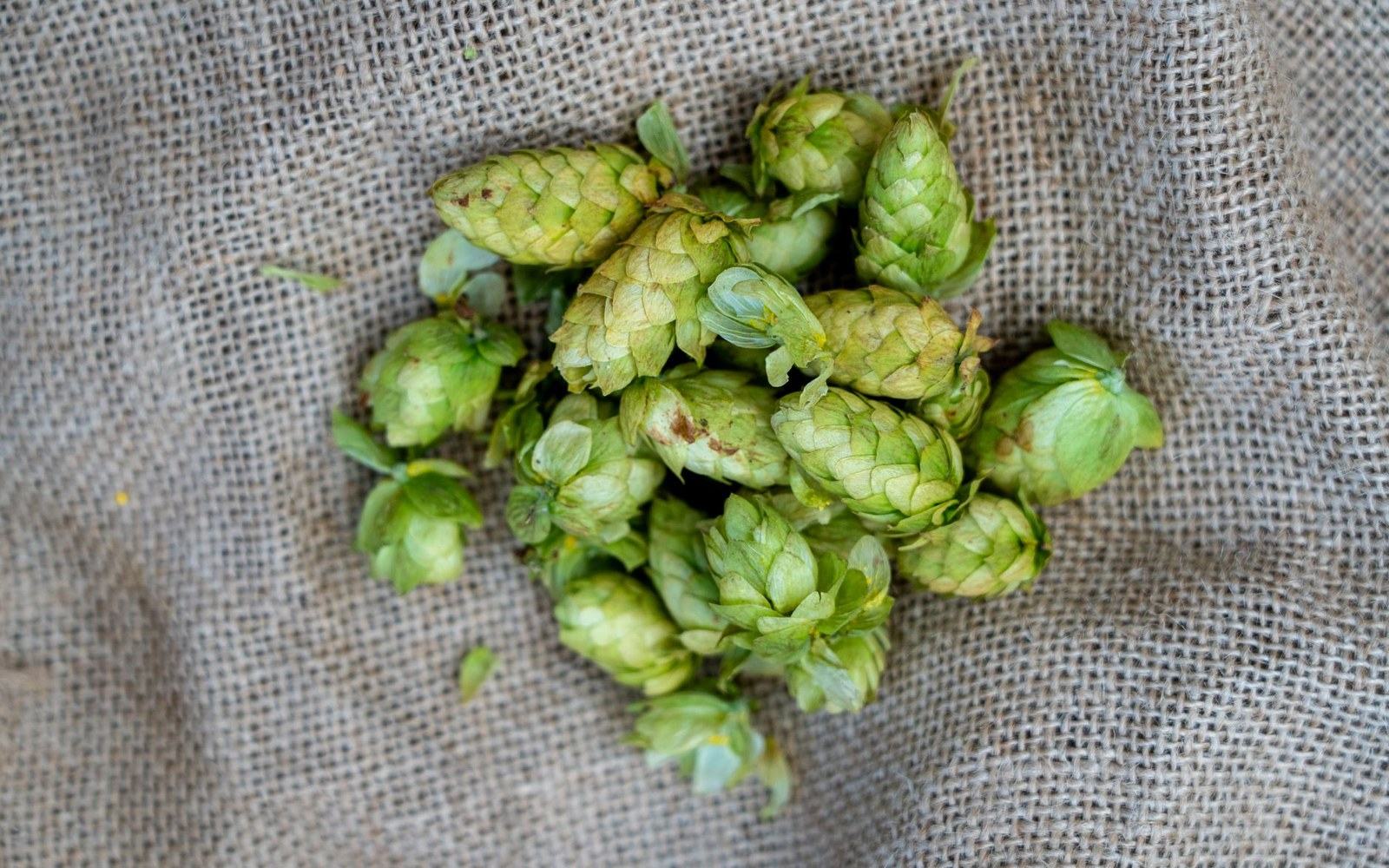
Every figure the annual counts eventually report starts on a panel like this.
Photo: Freek Wolsink / PexelsThe Brewers Association had flagged the structural vulnerability in its annual state of the industry addresses for several years before 2024. The organisation uses its own definition of craft — independent, small (under six million barrels annually), traditional — and tracks the subset of brewers filing with the Alcohol and Tobacco Tax and Trade Bureau as producing breweries against a separate count of brewpubs. Both sub-categories contributed to the 2024 crossover.
The Economics Behind the Crossover
The chart shape is legible only alongside the cost structure of a small brewery. The capital required to open a taproom-anchor production facility in a secondary US market had risen substantially by the early 2020s. A seven-barrel brewhouse that might have been sourced and installed for under $200,000 in 2013 carried a significantly higher price tag a decade later, and the labour market for experienced brewers had tightened across the same period. Banks and SBA lenders who had treated craft brewery applications as an acceptable risk category during peak growth years grew more cautious as closure rates climbed, making the refinancing of tight-margined operations harder precisely when it was needed most.
The Numbers and Who Counts Them
The revenue side compounded the pressure. The category's dollar share runs well above its volume share, but that premium is not distributed evenly across the size distribution. A regional brewer with taproom revenue, events income and a loyal distribution footprint captures the price-per-barrel advantage that makes craft economics defensible. A 1,000-barrel producer selling primarily through the three-tier system — where each tier takes a margin and the retail shelf has grown more crowded — faces a unit economics problem that higher retail prices for craft beer do not automatically solve. Market data from Circana tracking off-premise retail throughout 2023 and into 2024 showed craft's volume share softening even as dollar-per-unit figures held, suggesting the category retained premium positioning without translating it into volume recovery.
There is also a style dimension. The IPA saturation argument had circulated in the trade press since at least 2019, and the Brewers Association's own style tracking showed lager and lighter formats recovering volume share from hop-forward styles through 2023 and 2024. Breweries built around a single dominant style — particularly smaller operations whose taproom identity was inseparable from hazy IPA production — faced a menu problem as the style's novelty faded and consumer palates redistributed. Pivoting requires capital. Many smaller breweries did not have it.
One Crossover, Not a Collapse
The 2024 figure should be held carefully. The US craft brewery count, even after a net reduction, remained above 9,000 operating establishments — a figure that would have been considered impossible when Ken Grossman opened Sierra Nevada in Chico, California in 1980, or when Fritz Maytag was rebuilding Anchor in San Francisco in the 1970s. The founding generation of the modern American craft industry operated in a landscape of scarcity; the 2024 crossover happened in one of extraordinary density.
What the data does not yet show is whether 2024 represents the first year of a prolonged contraction or a single-year correction before conditions stabilise. The Brewers Association's historical counts suggest the opening rate was unusually elevated for an unusually long time; a reversion toward a sustainable replacement rate is not the same thing as a structural decline. Several large-format craft breweries — the regionals with sufficient distribution depth and taproom diversification — reported comparatively stable figures through 2024, suggesting the stress is concentrated in the smaller size brackets rather than evenly distributed.
What the data does show, clearly and for the first time, is that the one-directional phase is over. Twenty years of a single arrow in a single direction ended in 2024 with the quietest possible signal: more breweries closing than opening, a net count that ticked down instead of up, and a trendline that had never bent before, bending.