What Is Actually Being Brewed
After a Decade of IPA, the Thing People Order Again Is Lager
Photo: junjie xu / Pexels
Volume data and style-trend tracking both point the same direction: lager is recovering ground in the craft segment, and the shift is big enough that established ale breweries are building out cold-fermentation programs to meet it.
The Numbers Behind the Rotation
The Brewers Association's annual style-segment analysis, published each spring for the prior year's data, tracked IPA as the dominant force in craft volume through most of the 2010s. At the category's peak, IPA and its substyles — West Coast, hazy, session, double — claimed roughly a third of all craft beer dollar sales at retail, per Circana off-premise scan data. That dominance is now softening. Lager, including pilsner, light lager and the Italian pilsner variant that built a following in craft taprooms from roughly 2019 onward, has been recovering volume share within the craft segment each year since 2021.
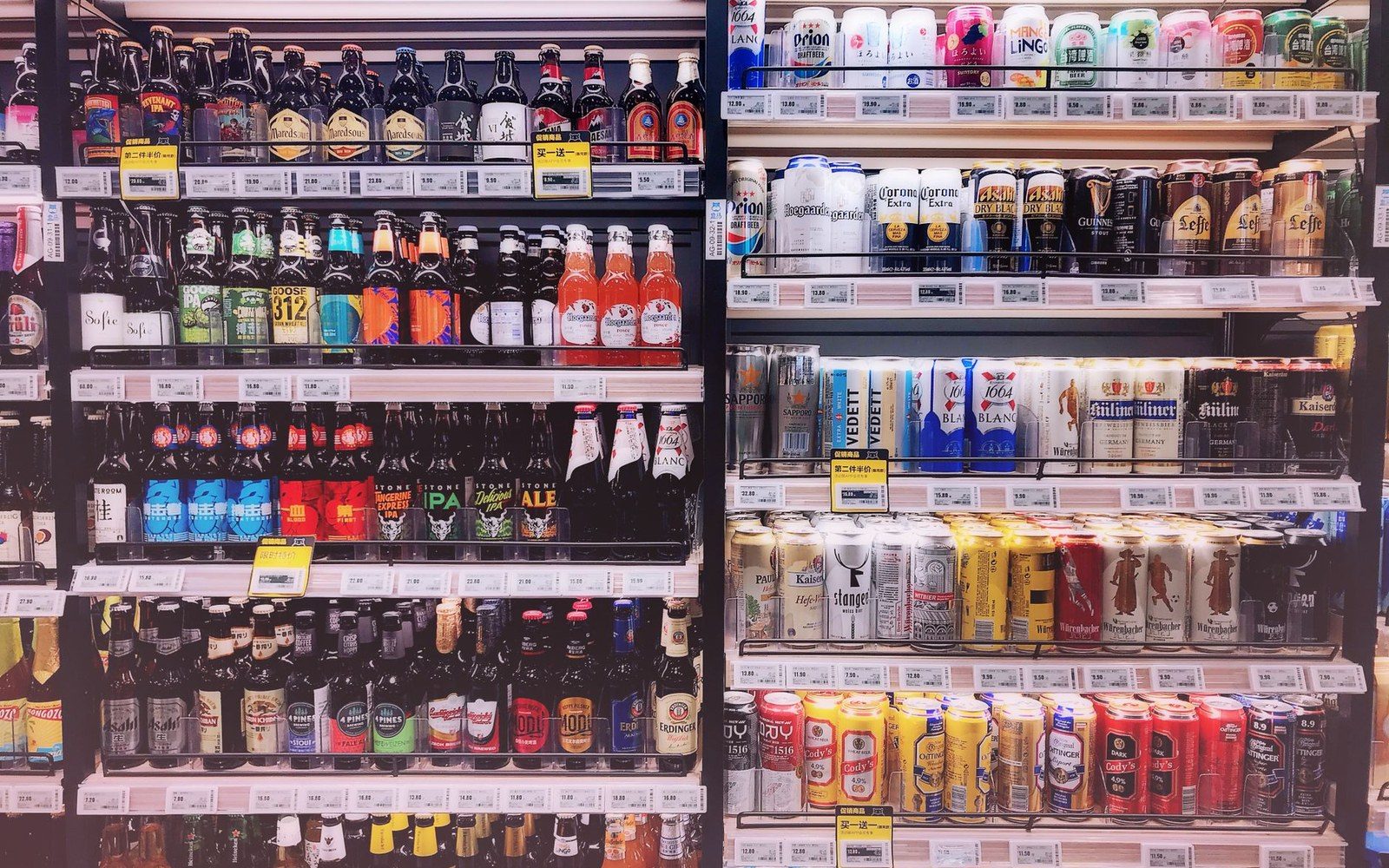
The macro picture reinforces the direction. Across the total US beer market, lager-family styles have always held overwhelming volume; what changed is that craft lager — priced at craft rates, brewed with named hop varieties and marketed with the same attention to ingredient sourcing that the IPA era normalised — started capturing a drinker who had previously defaulted to pale ale. The Alcohol and Tobacco Tax and Trade Bureau's excise-tax-return data, which tracks removals from bonded premises by brewery, does not break figures down by style. Style-level granularity comes from the Brewers Association's own survey and from retail scan panels, which means the clearest signal is at the point of sale rather than the production gate.
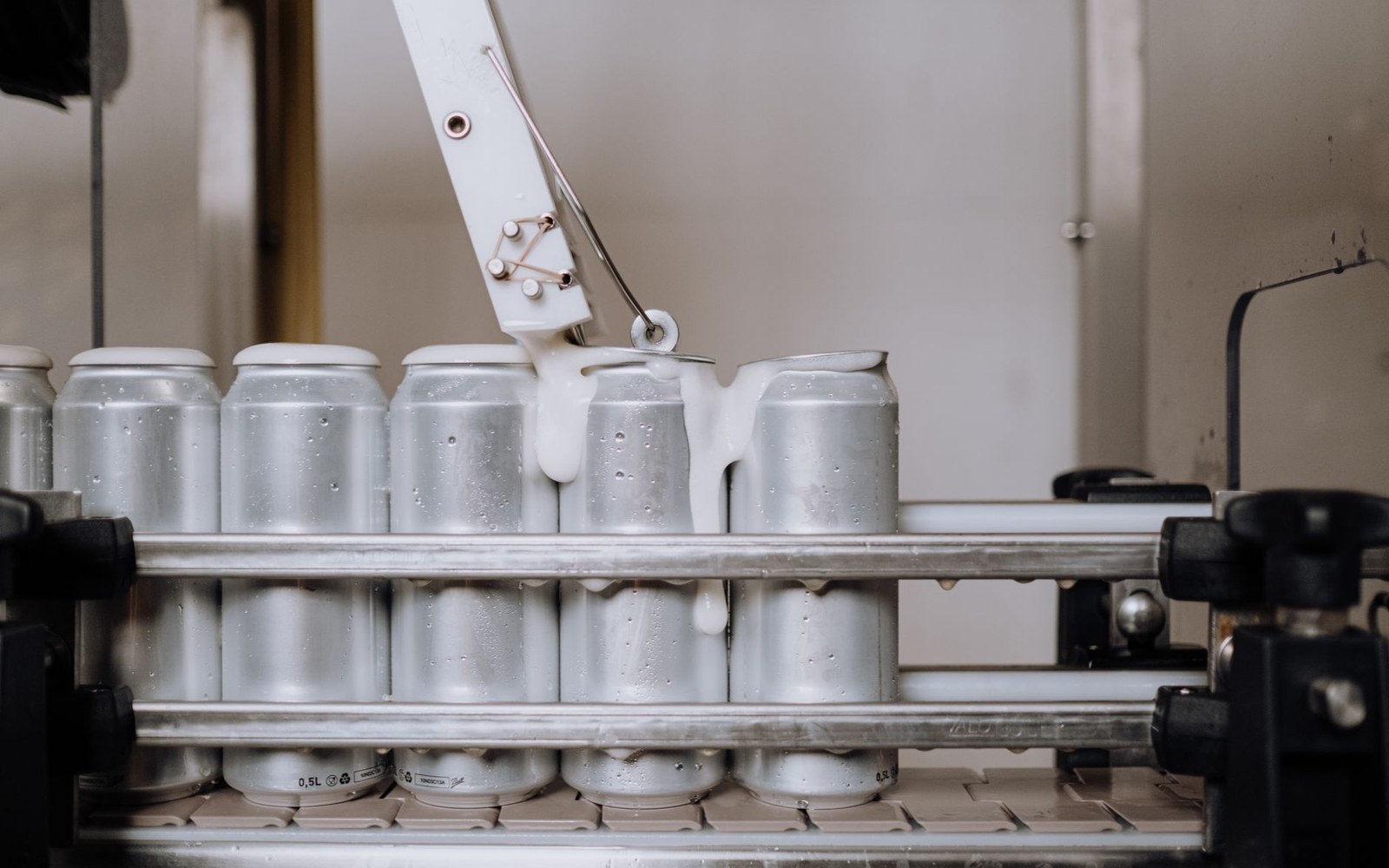
Packaging is the line item that moves first when aluminium contracts are renegotiated, and the seamer is where a short run gets expensive.
Photo: cottonbro studio / PexelsWhat Moved the Needle
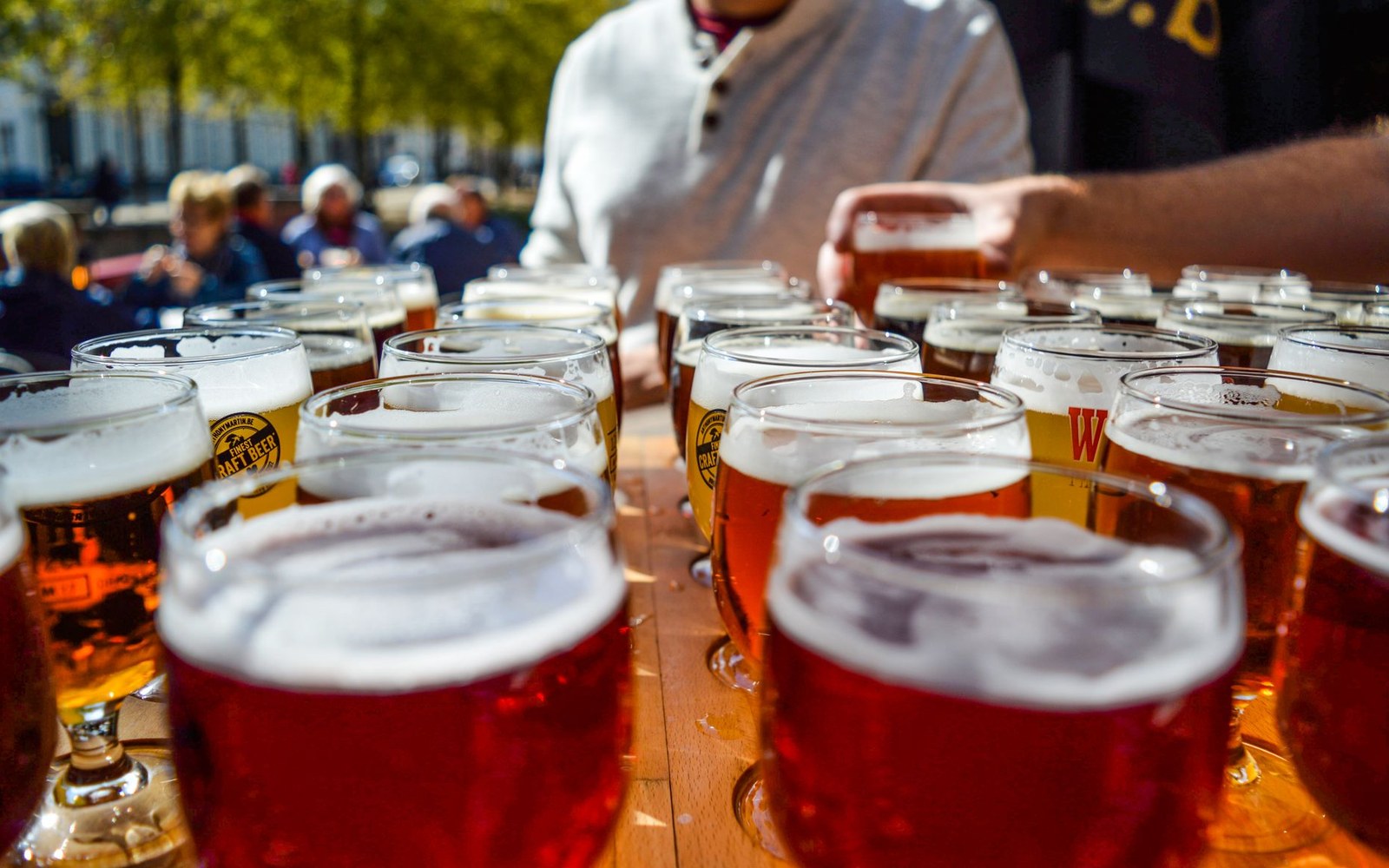
Italian pilsner — dry-hopped with noble or noble-adjacent varieties, bittered to a distinct dryness and typically filtered to a clarity that marks a deliberate departure from the hazy IPA aesthetic — became the craft segment's most-discussed new style entry in the early 2020s. The style has no formal Brewers Association style-guideline category of its own yet, but its commercial presence on tap handles and in cans is measurable through Circana and through the Great American Beer Festival's entry counts, which began reflecting the category's growth before a dedicated competition slot existed.
Breweries that built their reputations on hop-forward ales have launched cold-fermentation programs in response. Sierra Nevada Brewing, based in Chico, California, extended its lager portfolio beyond the long-running Summerfest. Boston Beer Company added lager SKUs under the Samuel Adams brand, recognising that the brand's founding lager — Samuel Adams Boston Lager, originally released in 1984 — gave it a credible re-entry point at a moment when the style was returning rather than retreating. Stone Brewing, whose identity was built on aggressive West Coast IPAs, introduced lager variants as part of a broader portfolio adjustment following the Sapporo acquisition.
Style chronology
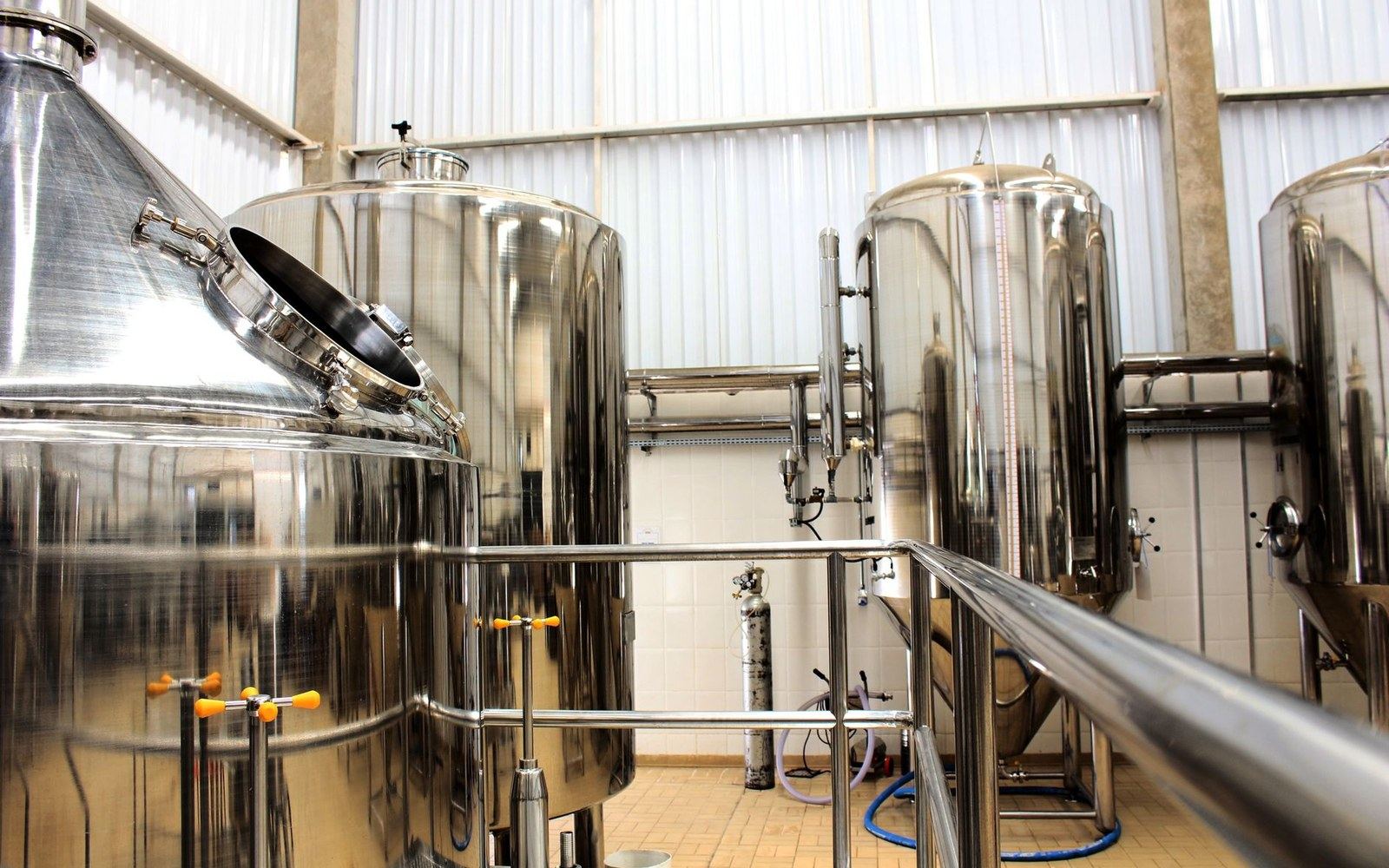
The economics of the shift are not straightforward. Lager requires cold fermentation and, typically, a longer conditioning period than ale — a lagering rest of several weeks ties up tank space that an IPA program cycles through in ten to fourteen days. For a brewery operating under margin pressure, lager is a less efficient use of capital unless volume justifies the investment. That the category is growing despite that cost friction signals genuine demand rather than trend-chasing by brewers.
Where the Style Sits Now
Craft beer's volume share around 13% of the total US market means the absolute numbers involved are still modest against the full picture, which remains dominated by light adjunct lager from AB InBev and Molson Coors. But within the craft segment, the compositional shift matters commercially: a brewery that built its tap-handle presence on IPA during the 2010s now faces a drinker who, with increasing frequency, wants a clean lager instead. The Italian pilsner variant and the broader lager recovery are not a rejection of craft — they are an extension of it, applying the sourcing and process attention of the IPA era to a style that demands patience over provocation. That the most hop-forward breweries in the country are now lagering says something about where the market has arrived.