The Breweries Themselves
Stone After the Sapporo Purchase
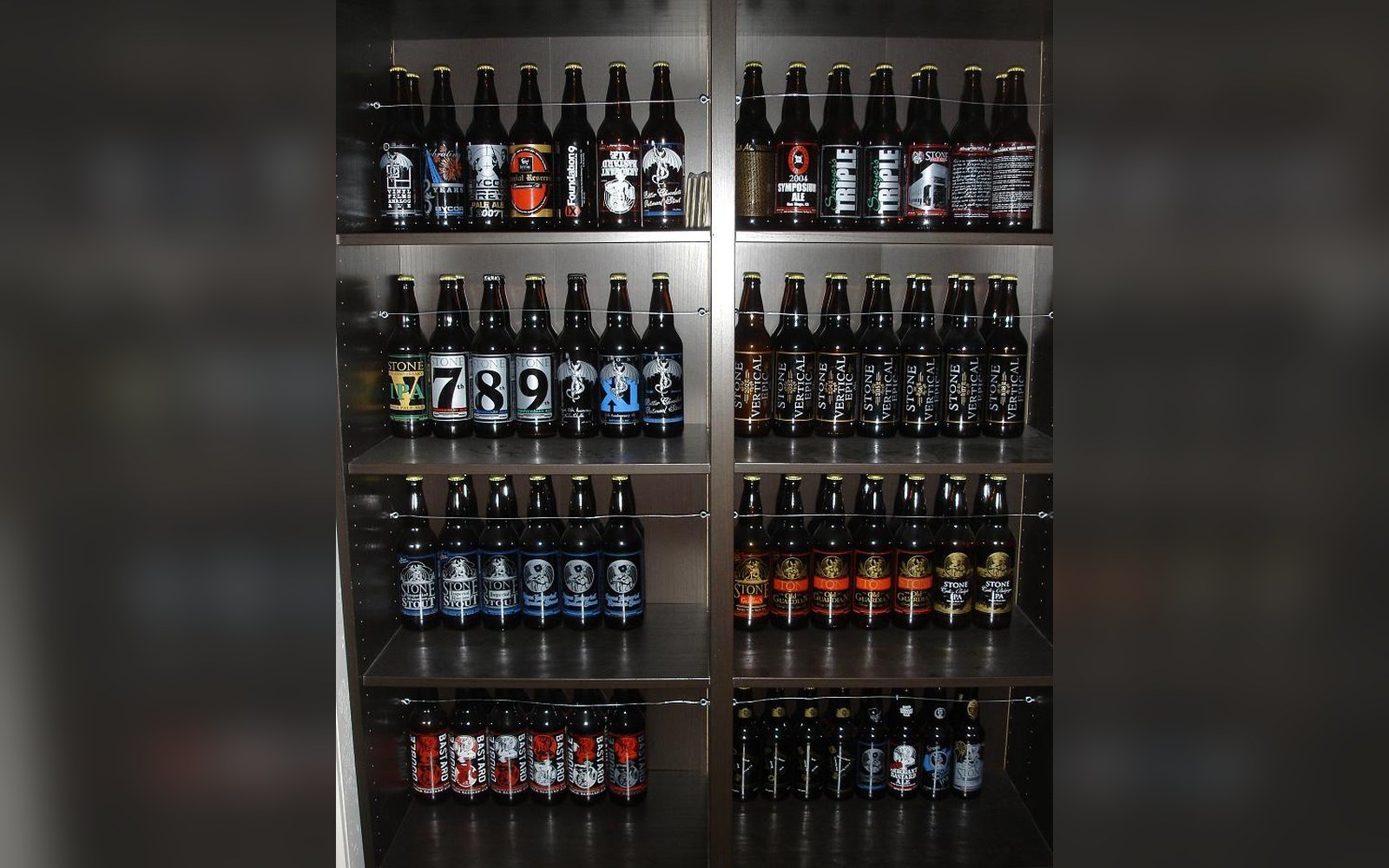
Photo: Beers of the Stone Brewing Company · Wikimedia Commons
How a $168 Million Deal Fit a Pattern Already in Motion
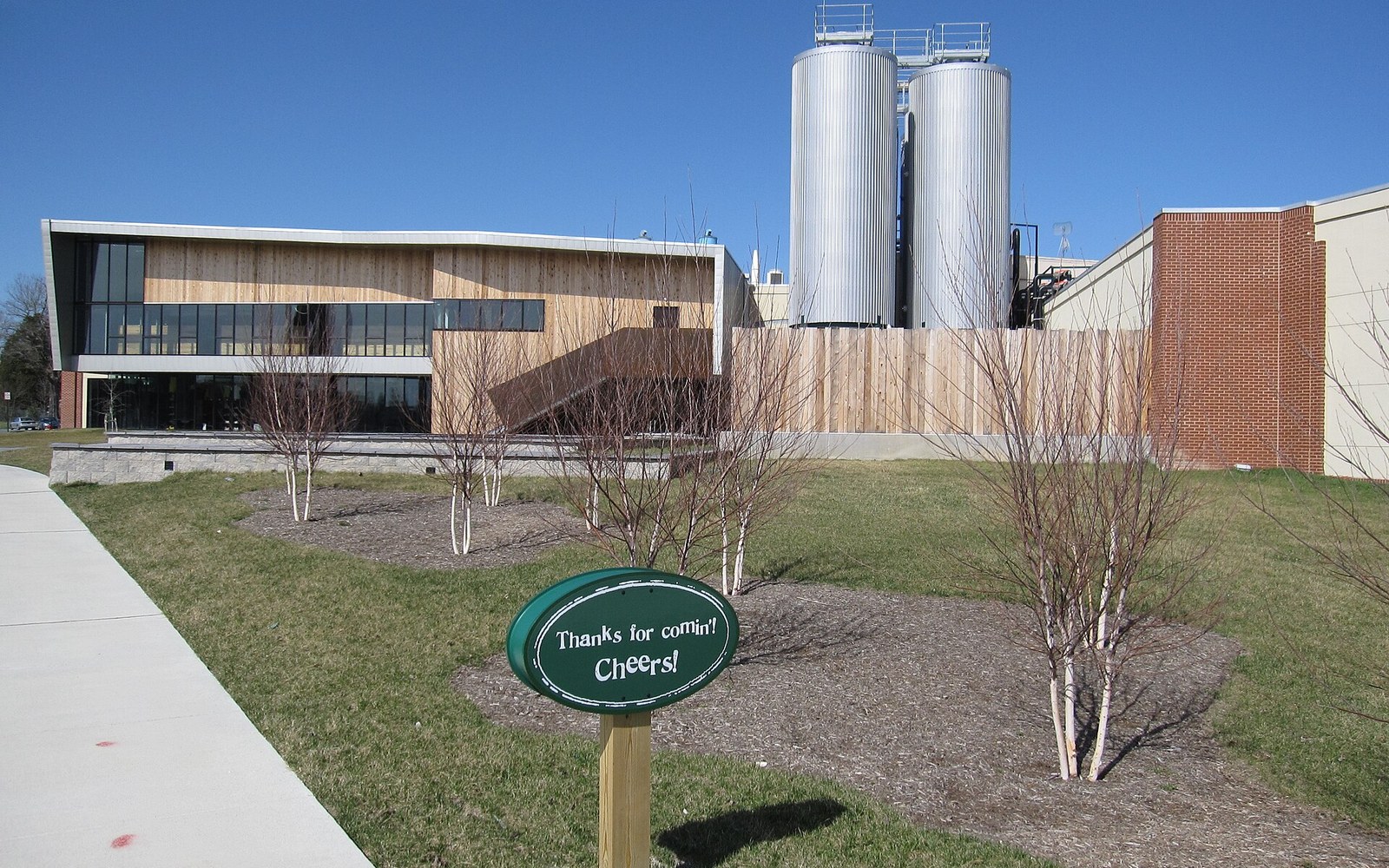
When Sapporo Holdings completed its acquisition of Stone Brewing in mid-2022, it paid a reported $165 million for one of the most recognisable names in American craft beer — a brand built on aggressive West Coast IPAs, a famously confrontational marketing voice and a sprawling campus in Escondido, California that had long served as a kind of cathedral to hop-forward brewing. The deal was disclosed in Sapporo's corporate filings and confirmed by Stone, ending months of speculation about the Escondido brewer's ownership future.
Stone had entered sale discussions carrying real operational weight. It was, by Brewers Association ranking, consistently among the top ten independent craft breweries in the United States by volume, and its distribution network reached all fifty states plus a significant international footprint. That scale was precisely what made it attractive — and, arguably, what made independent ownership increasingly difficult to sustain. The craft segment's structural economics, where price-per-barrel advantages over mainstream lager are real but distribution costs and taproom infrastructure are substantial, had been compressing margins across the upper tier of independent producers for several years before 2022.
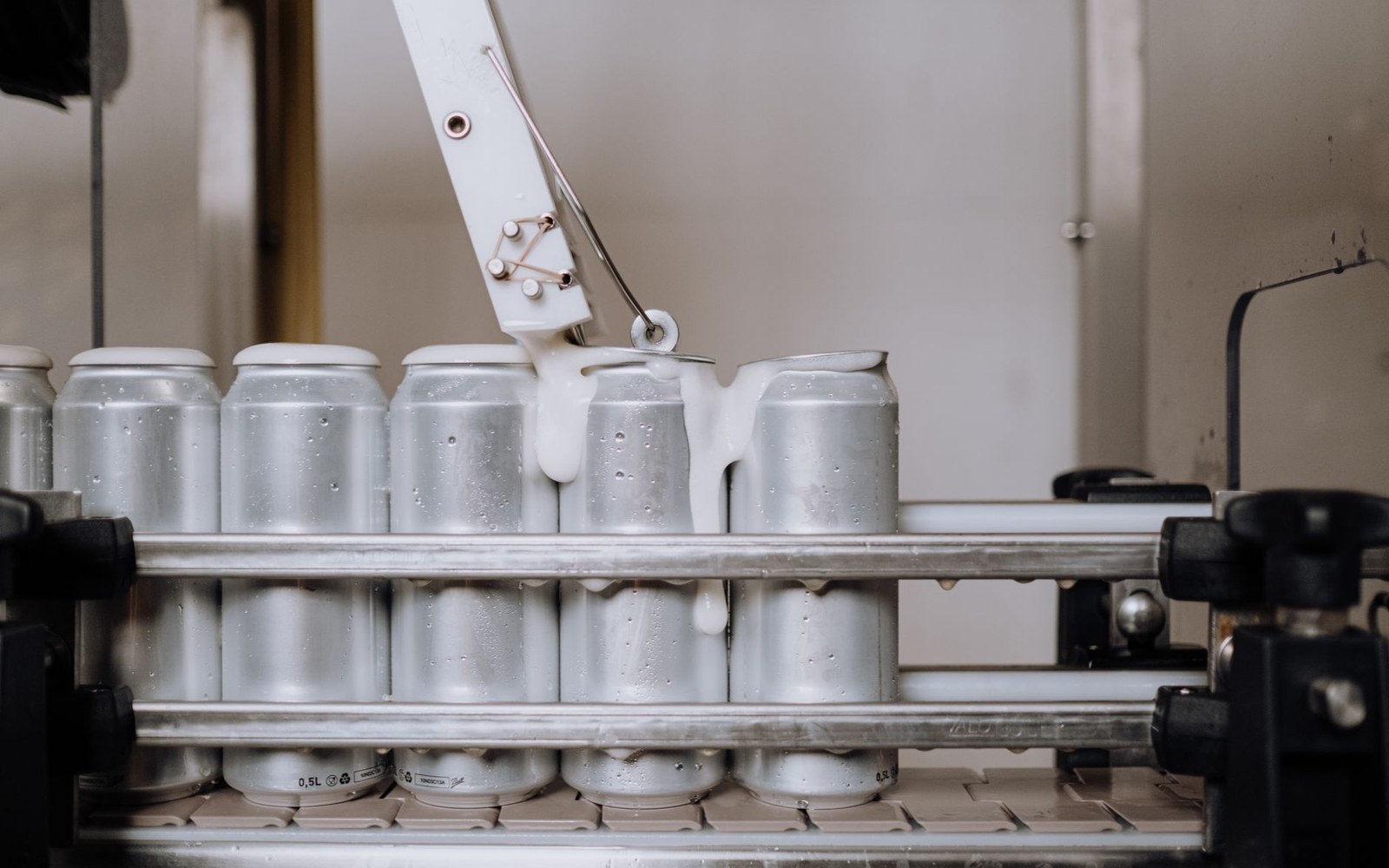
Packaging is the line item that moves first when aluminium contracts are renegotiated, and the seamer is where a short run gets expensive.
Photo: cottonbro studio / PexelsSapporo Holdings — a Tokyo-listed conglomerate whose North American beer portfolio already included Sleeman Breweries in Canada and the licensed US production of Sapporo lager — was not making its first move in the premium North American segment. The Stone acquisition extended that logic into craft specifically, adding a brand with genuine cultural equity among enthusiasts to a portfolio otherwise anchored in accessible lager. The reported $168 million figure represented a meaningful premium for a business of Stone's production size, reflecting the brand value beyond barrels.
What Changed at Escondido, and What Didn't
Post-acquisition, Sapporo's stated posture was preservation rather than rationalisation. Stone's Escondido brewery, which had anchored the company's production since the campus expanded through the 2010s, continued operating under existing management structures in the period immediately following the deal. The Stone brand identity — including its gargoyle iconography and confrontational taglines — remained intact, a pattern consistent with how Japanese acquirers have typically handled American craft assets, preferring to leave consumer-facing brand architecture undisturbed while gaining supply-chain and distribution leverage in the background.
Deal in numbers
That said, the acquisition arrived at a difficult moment for the broader US craft segment. The Brewers Association's data showed craft volume under pressure from multiple directions: hard seltzer had carved into craft's shelf position earlier in the cycle, ready-to-drink canned cocktails were continuing to take share, and lager was recovering favour at the expense of the high-IBU styles Stone had long championed. Stone's own production volumes had reportedly declined from their mid-2010s peak, a trend the brand shared with several of its upper-tier independent peers.
Distribution, historically one of Stone's greatest operational assets under the three-tier system — its early decision to self-distribute in key markets gave it unusual leverage — became a point of strategic attention under Sapporo. Integrating or rationalising a multi-state distribution apparatus into a larger corporate ownership structure involves decisions about which third-party distributor relationships to maintain, renegotiate or consolidate. Those decisions rarely surface quickly in public disclosures, but they represent much of the operational logic behind acquisitions at this scale.
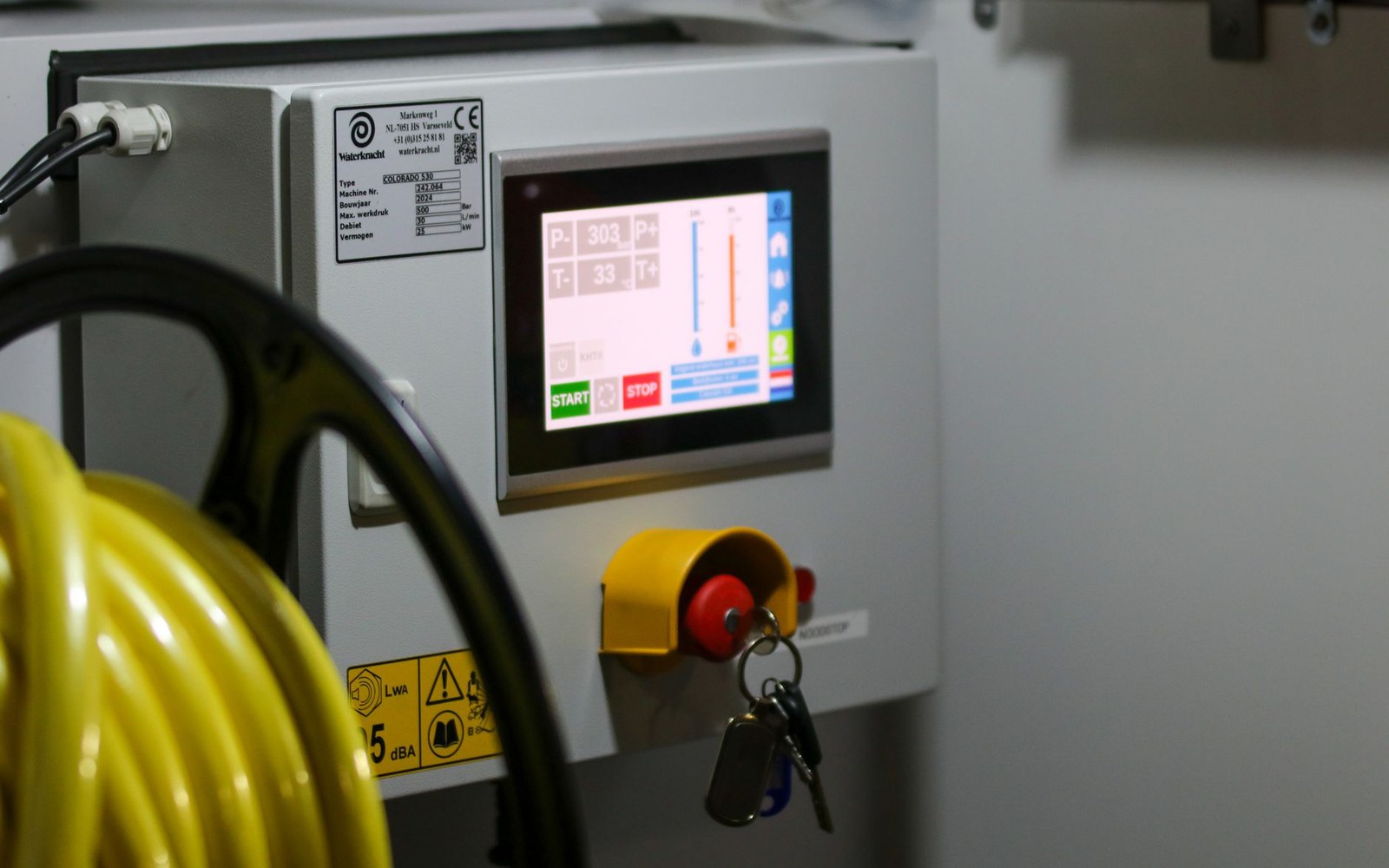
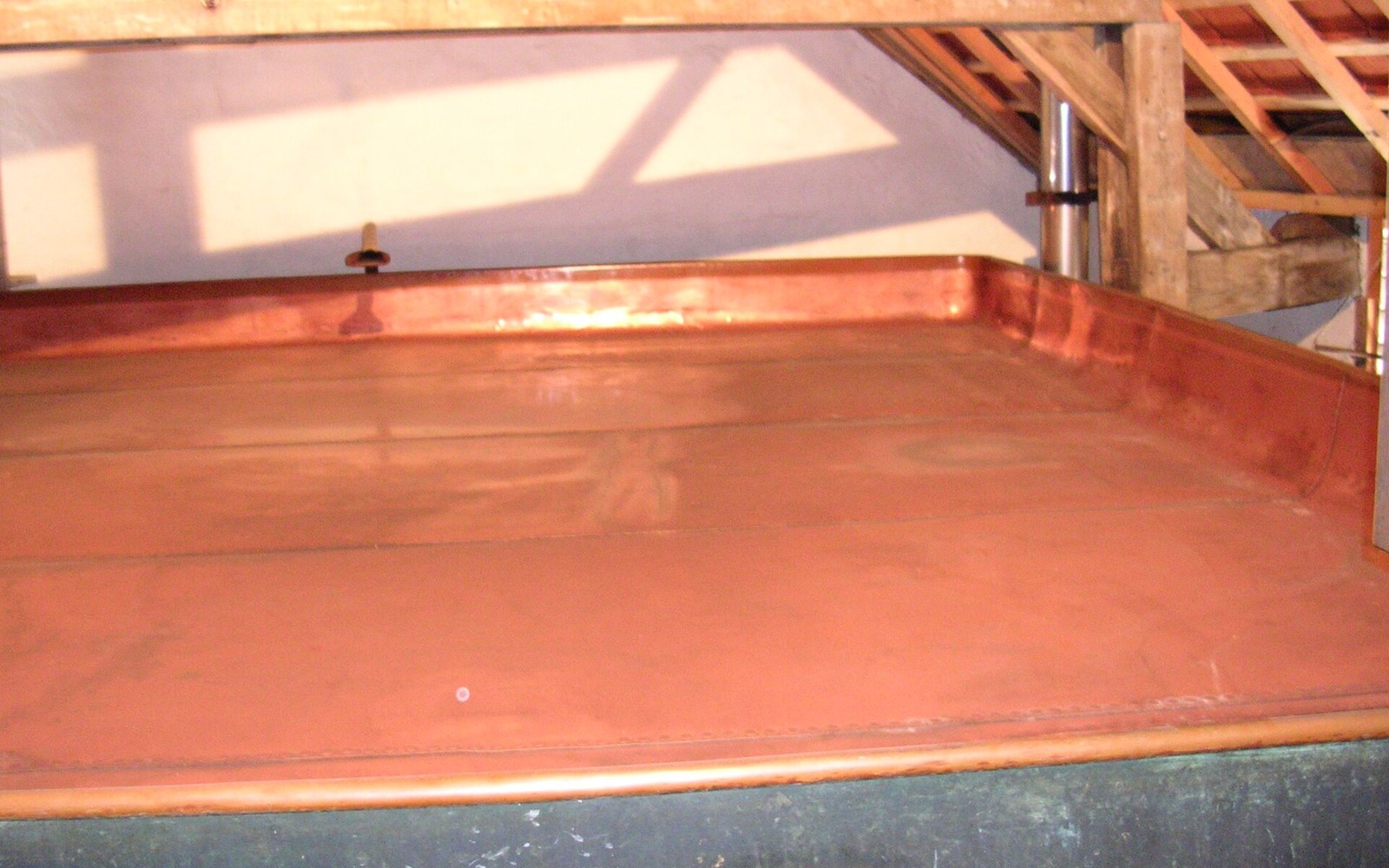
Every figure the annual counts eventually report starts on a panel like this.
Photo: Freek Wolsink / PexelsThe Japanese Conglomerate Pattern
Stone was not the first US craft acquisition by a Japanese drinks group, nor is it likely to be the last. Asahi's purchase of Meantime Brewing in the UK in 2016 and its subsequent acquisition of the Grolsch and Peroni brands from AB InBev signalled how Japanese conglomerates were using Western craft and premium brands to diversify revenue geographically as domestic Japanese beer consumption declined. Sapporo's move followed the same logic: flat or falling home-market volumes create pressure to find growth internationally, and premium craft brand equity in a market as large as the United States is one of the more legible ways to pursue it.
What the Stone deal added to this pattern was size and cultural profile. Stone was not a regional curiosity but a nationally distributed brand with a twenty-five-plus year history and a devoted, vocal consumer base. Whether Sapporo can hold that consumer loyalty while absorbing the operational costs of the Escondido campus and the distribution infrastructure it inherited is the question the next several years of filed accounts will answer. The $168 million entry price set the stakes clearly enough.