The Breweries Themselves
What BrewDog's Filed Accounts Actually Show
Photo: An historical account of the old State house of Pennsylvania now known as the Hall of independence (1876) · Wikimedia Commons
The company that made its name on disruption now files accounts like any other UK limited company — and the numbers are worth reading.
The Documents That Do Not Spin
Every year, BrewDog PLC deposits its annual accounts with Companies House, the UK's public register of corporate filings. Anyone can read them. The company's press releases describe a global craft beer empire; the accounts describe a business navigating tight margins, significant debt and a revenue line that has been slower to grow than the headline estate count suggests.
BrewDog, founded in Ellon, Scotland in 2007 by James Watt and Martin Dickie, grew through a series of high-profile Equity for Punks crowdfunding rounds that raised capital from tens of thousands of retail investors. That model generated enormous brand energy but also real obligations — and the balance sheet records both.

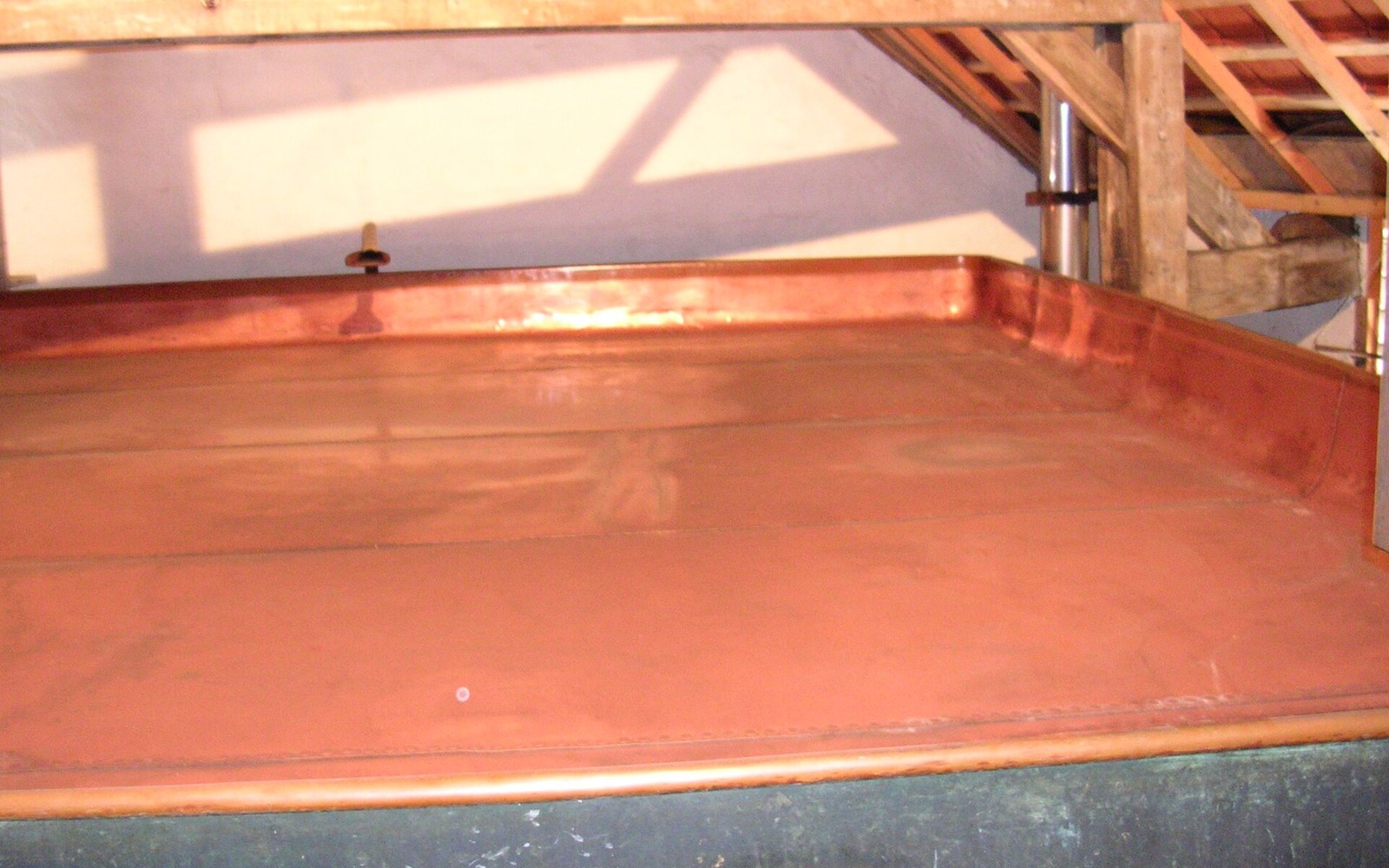
Tank capacity is the constraint behind the lager swing: cold conditioning holds a vessel for weeks rather than days.
Photo: cottonbro studio / PexelsRevenue, EBITDA and the Debt Position
For the financial year ended 31 December 2022, BrewDog reported group revenue of approximately £346 million, up from around £280 million in 2021. On its face that looks like healthy growth. But the EBITDA figure — earnings before interest, taxes, depreciation and amortisation, the number that strips out capital structure and accounting choices to show operating performance — was considerably more modest. The 2022 accounts showed EBITDA of roughly £22 million on that revenue base, implying a margin of around 6 percent. For a premium-positioned craft brand, that is thin.
The debt load is the more consequential figure. BrewDog carried net debt in excess of £130 million going into 2023, much of it tied to the capital expenditure programme — the Columbus, Ohio brewery opened in 2017, the Ellon production expansion, the bars estate across the UK, Europe and beyond. Interest costs on that debt are material: when rates rose sharply from 2022 onward, the cost of servicing variable-rate facilities moved against the company in a way the original expansion model did not anticipate.
The 2022 accounts also note impairments — write-downs on assets whose carrying value exceeded their recoverable amount. A number of bar sites, particularly in markets where post-pandemic footfall recovery was uneven, required downward revaluation. These are non-cash charges, but they signal where the estate is underperforming relative to acquisition cost.
Plans Against Performance
BrewDog's public communications through the same period emphasised continued international expansion: new bars in Asia, further US brewing capacity, licensing arrangements in Australia. The accounts tell a more qualified story. Capital expenditure fell year-on-year from 2021 to 2022, reflecting a deliberate pullback after the pace of investment earlier in the decade. That is not necessarily a failure of nerve — it may be a rational response to the debt position — but it sits in tension with the growth narrative the company continued to amplify publicly.

The off-premise shelf, where dollar share and volume share stop agreeing.
Photo: Haberdoedas Photography / PexelsIn principle, a premium brand like BrewDog should be relatively well placed when consumers trade up to fewer, higher-quality drinks. The challenge is that the UK on-trade — pubs and bars — remained squeezed through 2022 and 2023 by energy costs and a cost-of-living squeeze that hit discretionary spending. BrewDog's bar estate, which carries high fixed costs, felt that directly.
In 2024 the company replaced James Watt as chief executive, and subsequent communications acknowledged the need to stabilise the balance sheet before resuming aggressive expansion. The accounts filed for 2023, when available, will show whether the revised strategy translated into improved EBITDA margins or further impairment charges.
What Filed Accounts Are Actually For
Companies House filings are a legal requirement under UK company law, not a communications exercise. That is precisely what makes them useful. They are prepared under UK GAAP or IFRS, audited by a named firm and signed off by directors who carry legal liability for material misstatements. The revenue figure in a Companies House document and the revenue figure in a press release are not always the same number, and when they differ, the filed version is the one to read.
For trade readers tracking craft consolidation, BrewDog's accounts illustrate a structural tension common across the sector: building brand equity through rapid physical expansion is expensive, debt-financed growth is rate-sensitive, and a premium positioning does not automatically produce premium margins when the bar estate is large and the fixed-cost base is heavy. The press release announces the opening. The accounts record what it actually cost.