The Breweries Themselves
Cloudwater and Verdant Are Doing Something the Distribution Numbers Do Not Capture
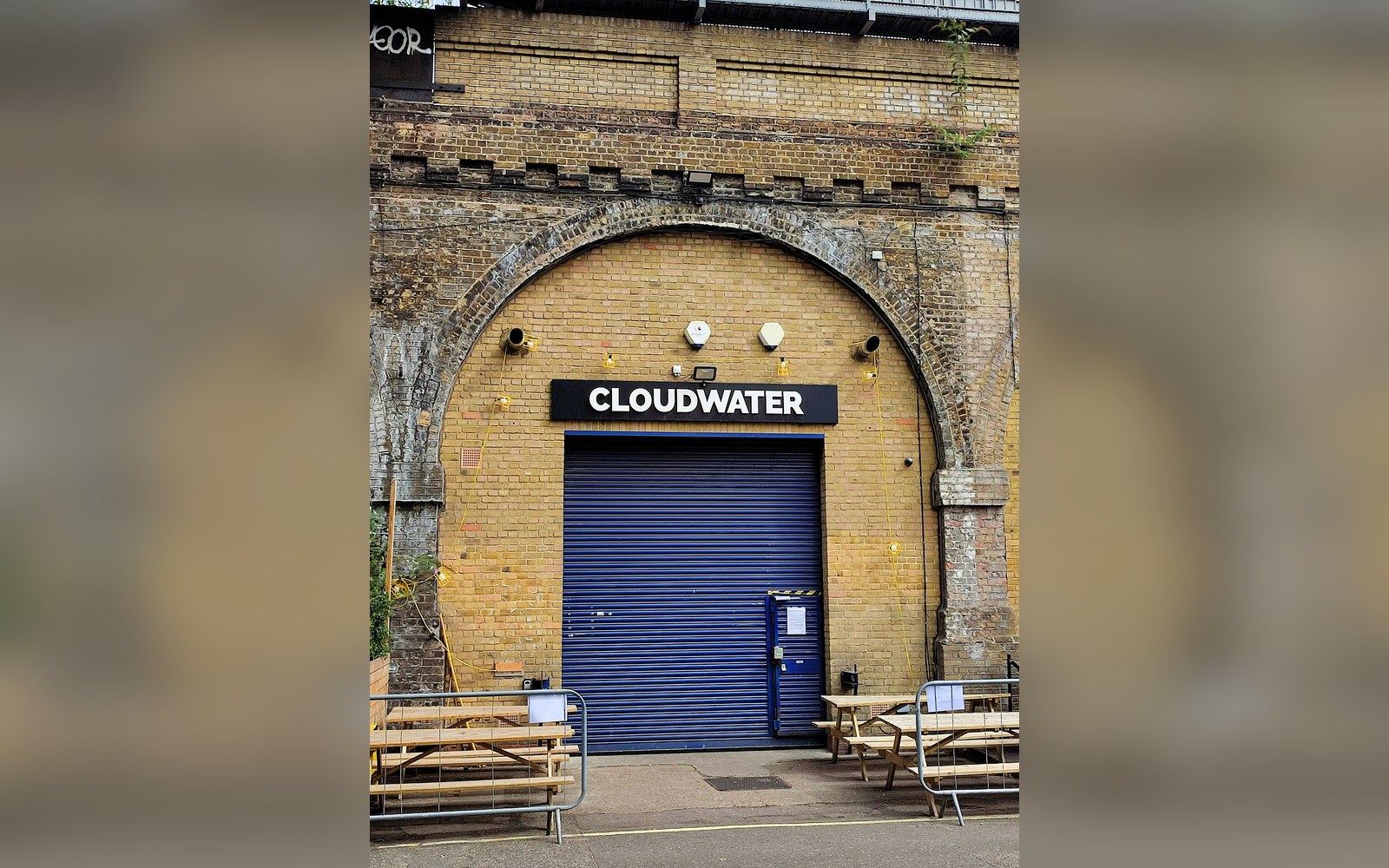
Photo: Cloudwater Tap Room, Bermondsey 2025-08-30 · Wikimedia Commons
HMRC duty receipts and SIBA membership figures tell part of the UK craft story. For Manchester's Cloudwater and Cornwall's Verdant, the more revealing data sits closer to the brewery door.
What the Available Numbers Show — and Miss
The Society of Independent Brewers and Associates reported in its 2023 annual survey that the UK independent brewing sector had entered a contraction phase, with net brewery closures accelerating through 2022 and into 2023 as energy costs and on-trade volumes failed to recover to pre-pandemic levels. HMRC publishes duty receipts and registered-producer counts on a rolling basis, but the data is aggregated by duty band, not by brand — a structure that conceals the considerable variation in how individual breweries reach their customers.
Cloudwater Brew Co, founded in Manchester in 2015, built its profile on a deliberately short distribution footprint: direct online sales, a small number of trusted wholesale accounts and a taproom that functions as both a retail point and a brand signal. Verdant Brewing Co, established in Penryn, Cornwall in 2014, followed a comparable logic — web-store releases, selective national distribution and a loyal subscriber base. Neither brewery's commercial weight shows cleanly in duty-band aggregates, because those figures record volume against the producer, not the channel through which that volume moved or the price-per-barrel it returned.
Key data sources cited
What both breweries have published — through social channels and, in Cloudwater's case, periodic transparency reports — suggests production volumes well into the thousands of hectolitres annually. That places them firmly in the upper tier of UK independent craft by output, yet both remain structurally absent from the category data that retail-channel trackers such as Circana compile, because their direct-to-consumer share is material enough to sit outside grocery scan data entirely.
The British craft segment's contraction since 2022 sharpens the point. SIBA's Craft Beer Report 2023 documented margin compression across the sector, with smaller producers disproportionately exposed to input-cost inflation and distributor renegotiations. Breweries leaning on the three-tier-equivalent tied-house and wholesaler route faced those pressures most directly. The direct model that Cloudwater and Verdant built — expensive to operate at scale, requiring investment in cold logistics and web infrastructure — appears to have insulated both from the worst of the channel squeeze, though neither has published audited accounts that would confirm margin outcomes at the line level.
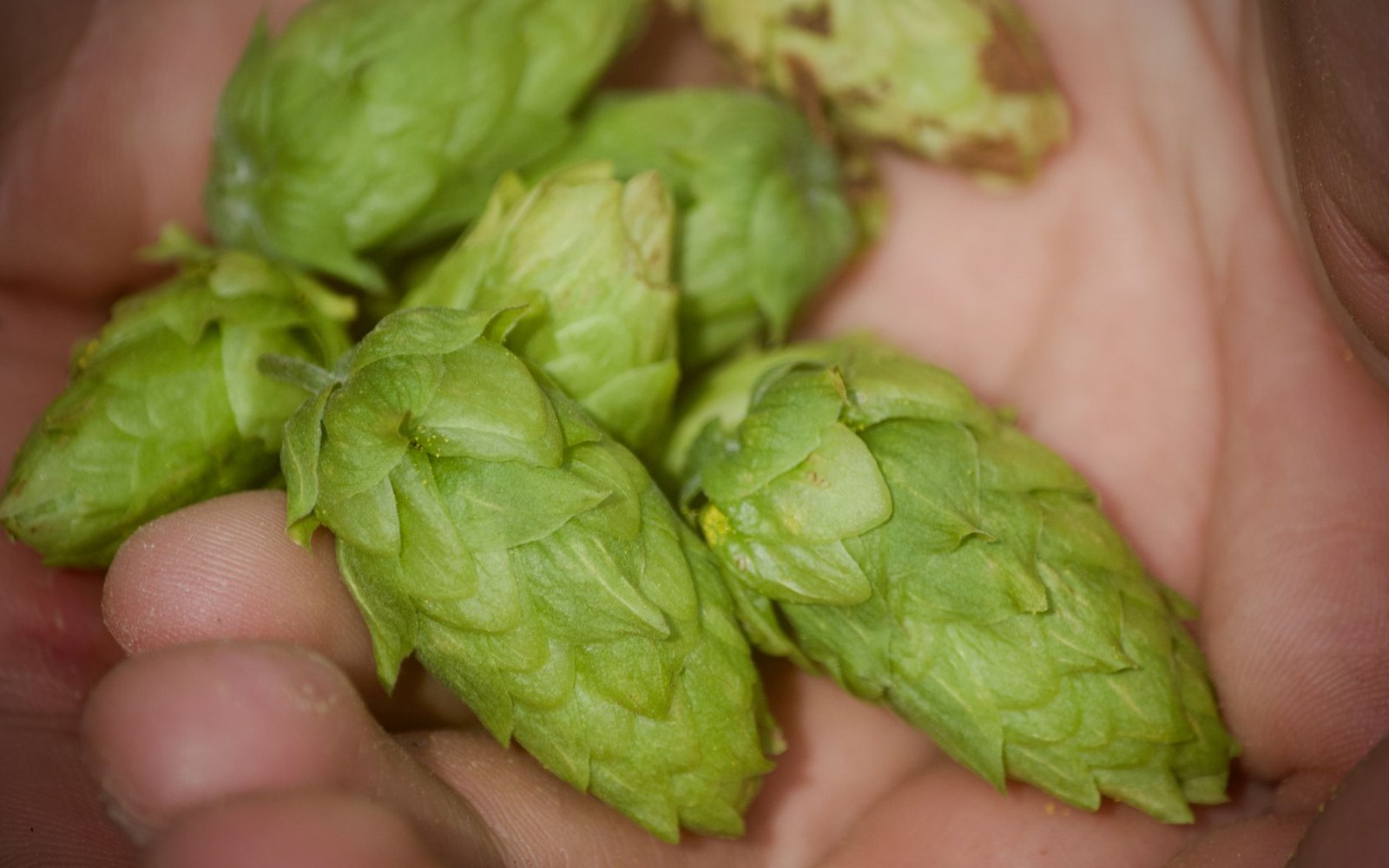
Hop contracts are signed years ahead, so a style rotation leaves growers and brewers holding varieties nobody ordered.
Photo: Ahmed Hamed Aly / PexelsThe structural gap between what HMRC counts and what actually moves through a brewery's own channels is not unique to these two. It is a systematic feature of how UK production data is collected. Cloudwater and Verdant simply make the gap unusually visible, because their reputations, and by implication their volume, are clearly larger than the aggregates suggest.